The Grey Shrub of Limestone Mountains
Characteristics
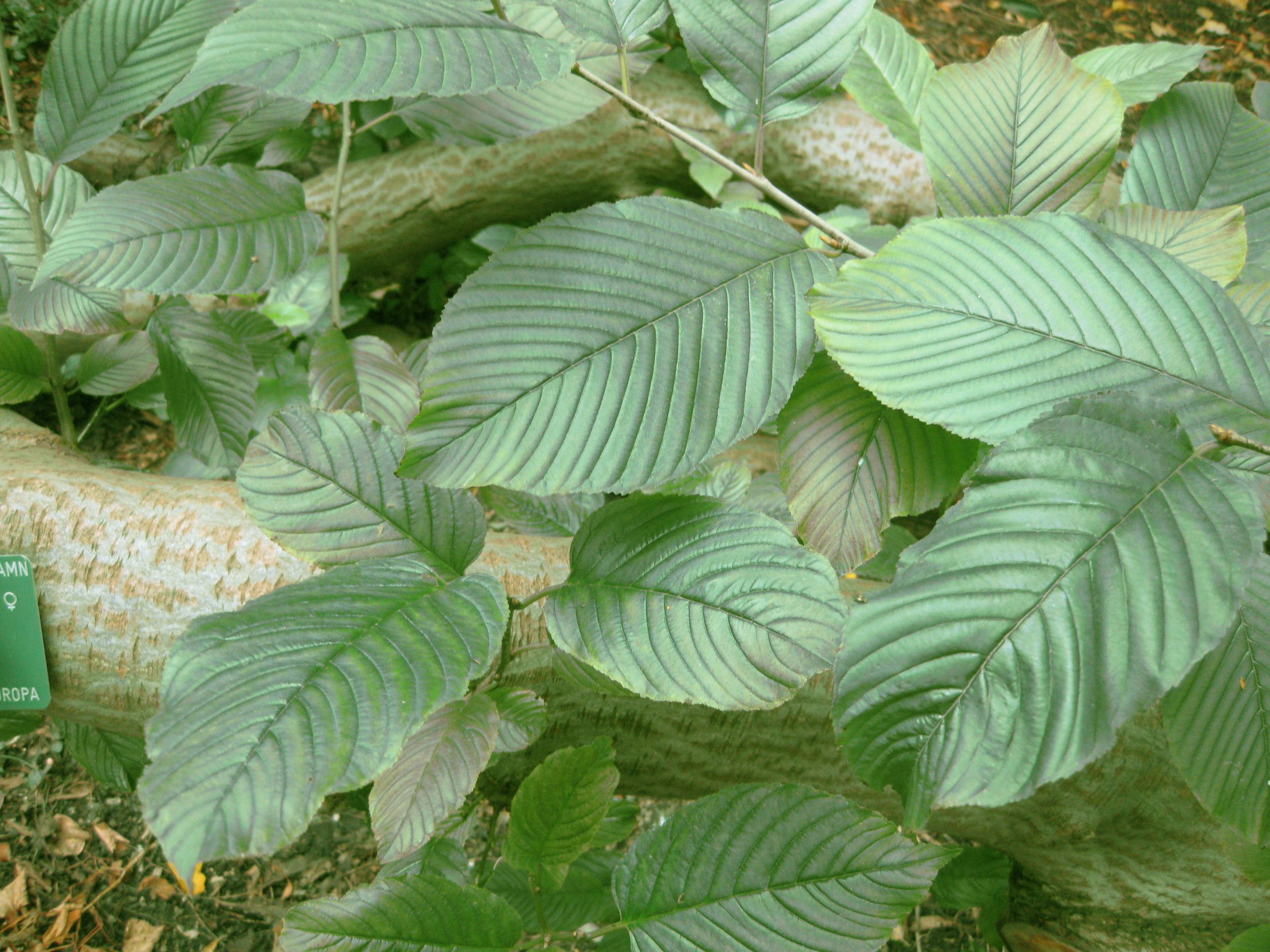
Habit: Bushy shrub, 1–3 m tall, with a highly branched structure tending to spread horizontally. Bark: Smooth and grey-reddish in young specimens, becoming dark brown to blackish with age and longitudinally fissured, sometimes showing pale transverse lenticels. Branches: Young branches flexible and grey-brown. Buds: Alternate, conical to ovoid, about 5–8 mm long, covered with numerous glossy brown scales, often ciliate at the margins. Leaves: With a 1–2 cm petiole and caducous stipules, the blade is elliptic and glossy on the upper surface with a finely toothed margin. Flowers: Arranged in short small cymes of inconspicuous greenish-yellow flowers, about 5 mm or slightly more. Fruits: Globose, fleshy drupes turning intense black at maturity. Flowering: May–June.
Distribution and habitat
Chorological type: Mediterranean montane. Distribution in Italy: A species considered rare, occurring from the Western Alps along the entire Apennine chain to Calabria, and also in Sardinia. Habitat: It prefers limestone cliffs, forest margins and cool beech woods between 600 and 1800 m above sea level.
Etymology
Generic name (Atadinus): A genus established by Rafinesque in 1838, probably using a fanciful name without classical roots, a common practice in his classifications. Specific name (alpinus): From the Latin Alpes, “Alps”, a term used for taxa inhabiting high mountain environments.
Uses and properties
Like many other members of the Rhamnaceae, alpine buckthorn contains anthraquinone compounds in its bark and fruits, giving it marked laxative and purgative properties known in folk medicine. However, domestic use is not recommended because of the difficulty of dosing the active principles, which may irritate the intestinal mucosa. Ecologically, its black fruits provide an important food resource for mountain birds in autumn.