The Splendour of the Mountain
Characteristics
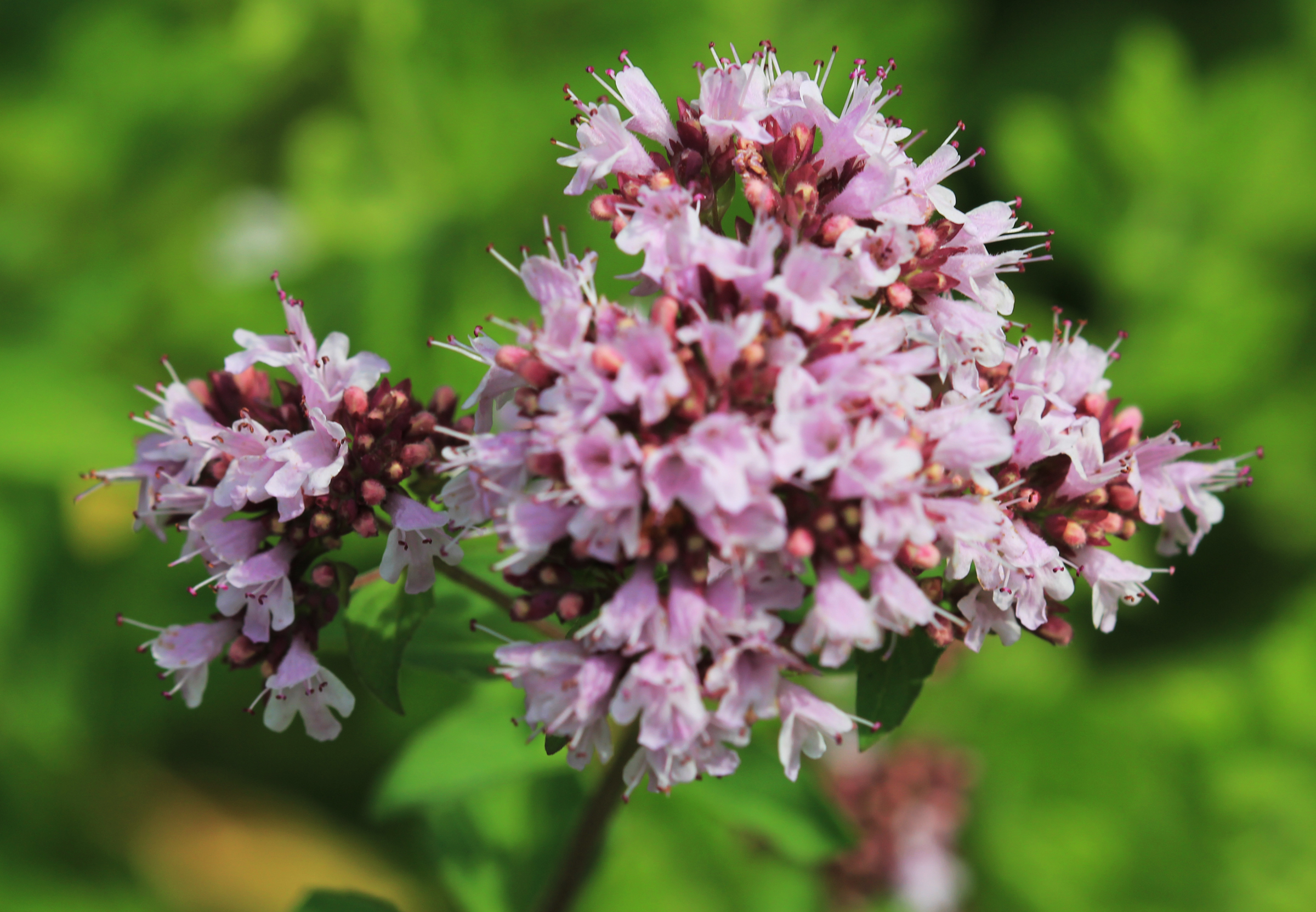
Habit: Perennial, bushy plant 20–60 cm tall, tending with age to become somewhat suffruticose. Stems: Characteristically quadrangular as in the family; branched in the apical portion, often reddish, and covered with dense spreading hairs. Leaves: Opposite and provided with a short petiole. They are oval-elongate, with a margin varying from entire to slightly toothed. The blade appears hairy especially along the main veins. Flowers: Gathered in dense terminal heads of pink-purple colour (rarely white), developing in the axils of sessile bracts often tinged with red. The calyx is symmetrical, tubular-campanulate, and divided into 5 teeth. The corolla is bilabiate: the upper lip is notched, while the lower one is longer and divided into three lobes. Fruits: A tetrachenium composed of subspherical dark chestnut mericarps protected by the persistent calyx. Flowering: May–September.
Distribution and habitat
Chorological type: Eurasian. Distribution in Italy: Present in all regions with three different subspecies. Habitat: It prefers dry, rocky places and sunny exposures, but is also commonly found in open woods, clearings, and on calcareous cliffs, from sea level up to 1400 m a.s.l.
Etymology
Generic name (Origanum): From the Greek terms óros (mountain) and gános (splendour, joy), literally meaning “splendour of the mountain,” in reference to the vivid flowering that colours mountain slopes. Specific name (vulgare): From the Latin vulgus, indicating its wide distribution and common nature.
Uses and properties
Common oregano is one of the most iconic officinal and culinary plants of Mediterranean culture. Its essential oil, rich in carvacrol and thymol, gives the plant powerful antiseptic, digestive, and antispasmodic properties. In folk medicine it is taken internally against flu and digestive difficulties, while external use exploits its germicidal qualities to treat bronchitis, asthma, and skin irritations. In cooking, oregano is a fundamental pillar of famous recipes such as Neapolitan pizza and pizzaiola-style meats; it is one of the rare aromatic herbs whose fragrance intensifies remarkably when dried. In cosmetics, the extract is used for its stimulating and deodorising virtues. Historically, before becoming inseparably linked to pizza from the 16th century onward, it was used by the “dentists” of the past as an emergency anaesthetic or given to women as a talisman to soothe the pain of disappointed love. It is also an excellent melliferous plant, much visited by bees for the production of aromatic honeys.