The Scarlet Cluster of Hedges
Characteristics
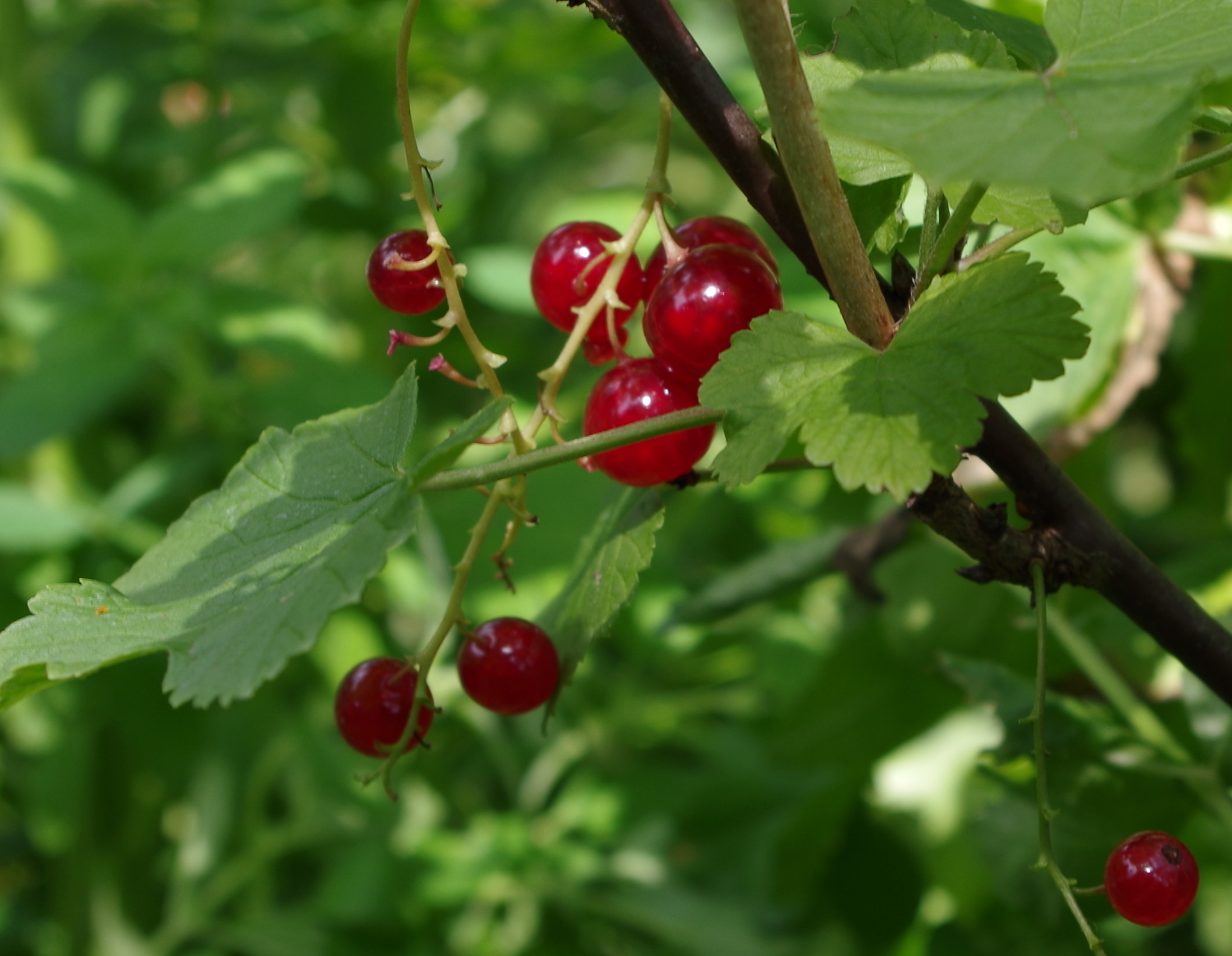
Habit: Deciduous shrub usually 1 to 1.5 metres tall. Branches: Erect in habit, with bark tending to peel with age. Leaves: The blade has a palmate shape, divided into 3–5 lobes, and is typically broader than long (about 6 cm). The base is cordate and the margin has rounded teeth. The upper surface is glabrous, while the lower one may appear slightly pubescent. The petiole is proportionate in length to the blade. Flowers: Gathered in lax racemes hanging downward. They are hermaphroditic and pentamerous, of a discreet greenish-yellow colour. The calyx is composed of glabrous sepals, sometimes tinged red, which are twice as long as the petals; the latter are very small and almost insignificant to the eye. Fruits: A globose, glabrous, translucent berry, typically bright red in colour, although white or yellow cultivated varieties exist. The pulp is juicy and pleasantly tart. Flowering: April–June.
Distribution and habitat
Chorological type: Western European. Distribution in Italy: Distributed mainly in northern and central Italy, while its spontaneous occurrence in the South is uncertain. It is often found naturalised near old settlements or former cultivations. Habitat: It prefers moist woods, hedges, and cool shady places, from the lowlands up to 2000 m a.s.l.
Etymology
Generic name (Ribes): From medieval Latin, itself derived from the Arabic ribas, the name of a tart-acidic plant (probably a kind of rhubarb) with which Arab physicians identified fruits similar to currants. Specific name (rubrum): From the Latin rúbeo (I redden), in clear reference to the bright red colour of the ripe berries.
Uses and properties
Redcurrant is a medicinal plant of considerable phytotherapeutic value. The leaves and buds are used for their diuretic, hypotensive, and antirheumatic virtues, proving useful in the treatment of gout. In particular, the glyceric macerate obtained from the fresh buds is known for its powerful anti-inflammatory and antiallergic action, used as a natural cortisone in cases of asthma, tonsillitis, and rhinitis. The fruits are a mine of vitamin C, phosphorus, and potassium. Thanks to their refreshing and depurative properties, they are eaten fresh or transformed into juices, jellies, and syrups. In cooking, their tart flavour perfectly balances sweets and compotes, while in Northern Europe the fruits are also traditionally used to ferment alcoholic beverages.