The Golden Yellow of Dyers
Characteristics
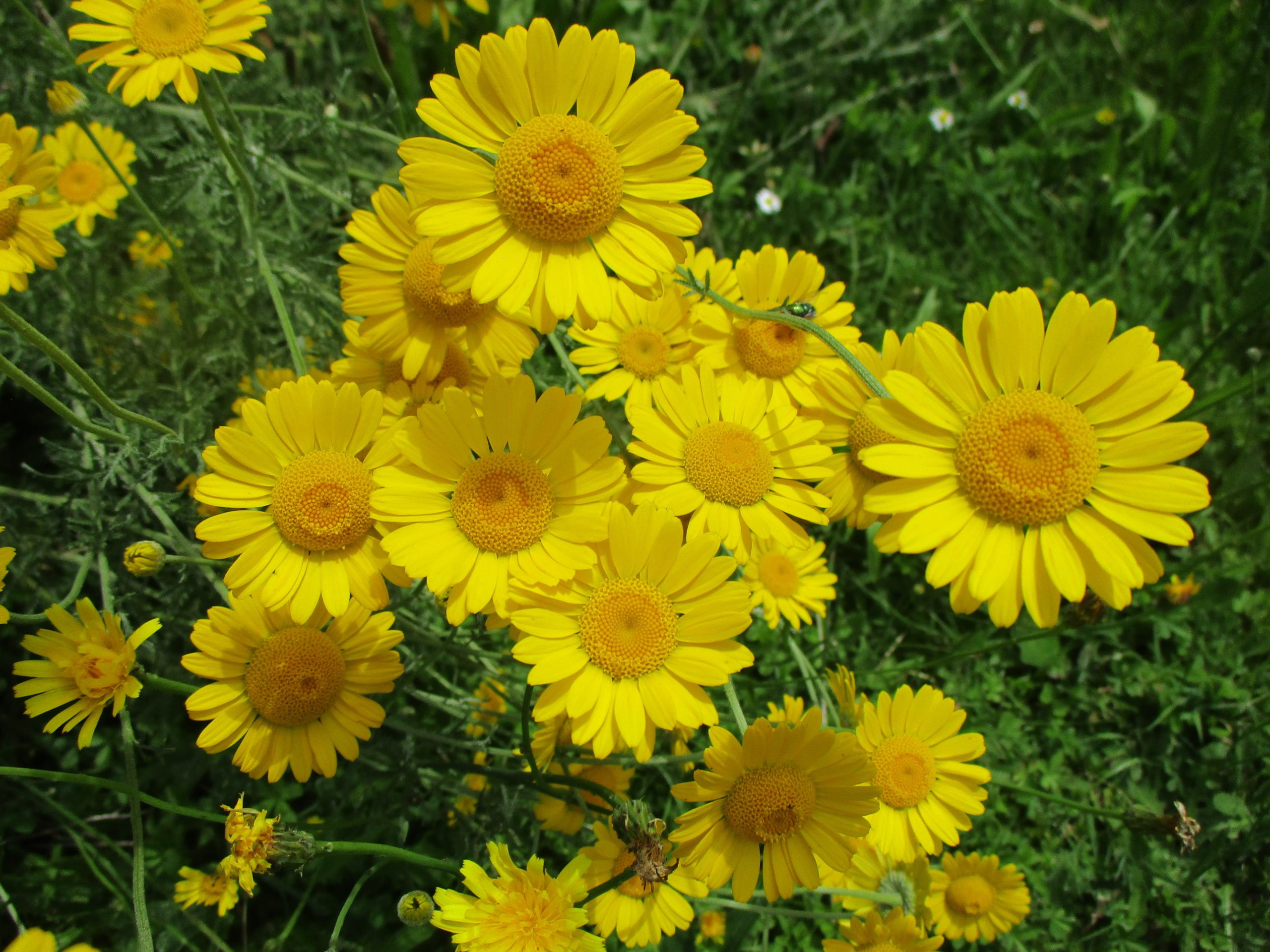
Habit: Perennial or biennial herb 20–50 cm tall, with a woody rhizome and ascending herbaceous stems. Leaves: 2–3 cm long, deeply divided (bipinnatisect), pubescent and composed of serrated linear-lanceolate segments; each tooth ends in a characteristic white cartilaginous mucro. Flowers: Arranged in solitary capitula 2–2.5 cm wide on thickened peduncles; outer florets ligulate and yellow, central florets tubular, hermaphroditic and golden yellow. The receptacle is convex and protected by overlapping (imbricate) scales with yellowish woolliness. Fruits: Rhombic achenes, compressed and wingless, with prominent ribs; either glabrous or topped by a very short membranous crown. Flowering: June–September.
Distribution and habitat
Chorological type: Central European. Distribution in Italy: Present in most of the territory. Habitat: Sunny species growing in dry grasslands, wastelands and roadsides, mainly on calcareous substrates, from sea level to 1500 m.
Etymology
Generic name (Cota): From the Greek “kota”, meaning cup, probably referring to the inflorescence. Specific name (tinctoria): From Latin tingere, referring to its dyeing properties.
Uses and properties
Used in traditional medicine and dyeing: flowers produce a durable yellow pigment and are used in cosmetics and herbal infusions.