The Silent Roadside Impostor
Characteristics
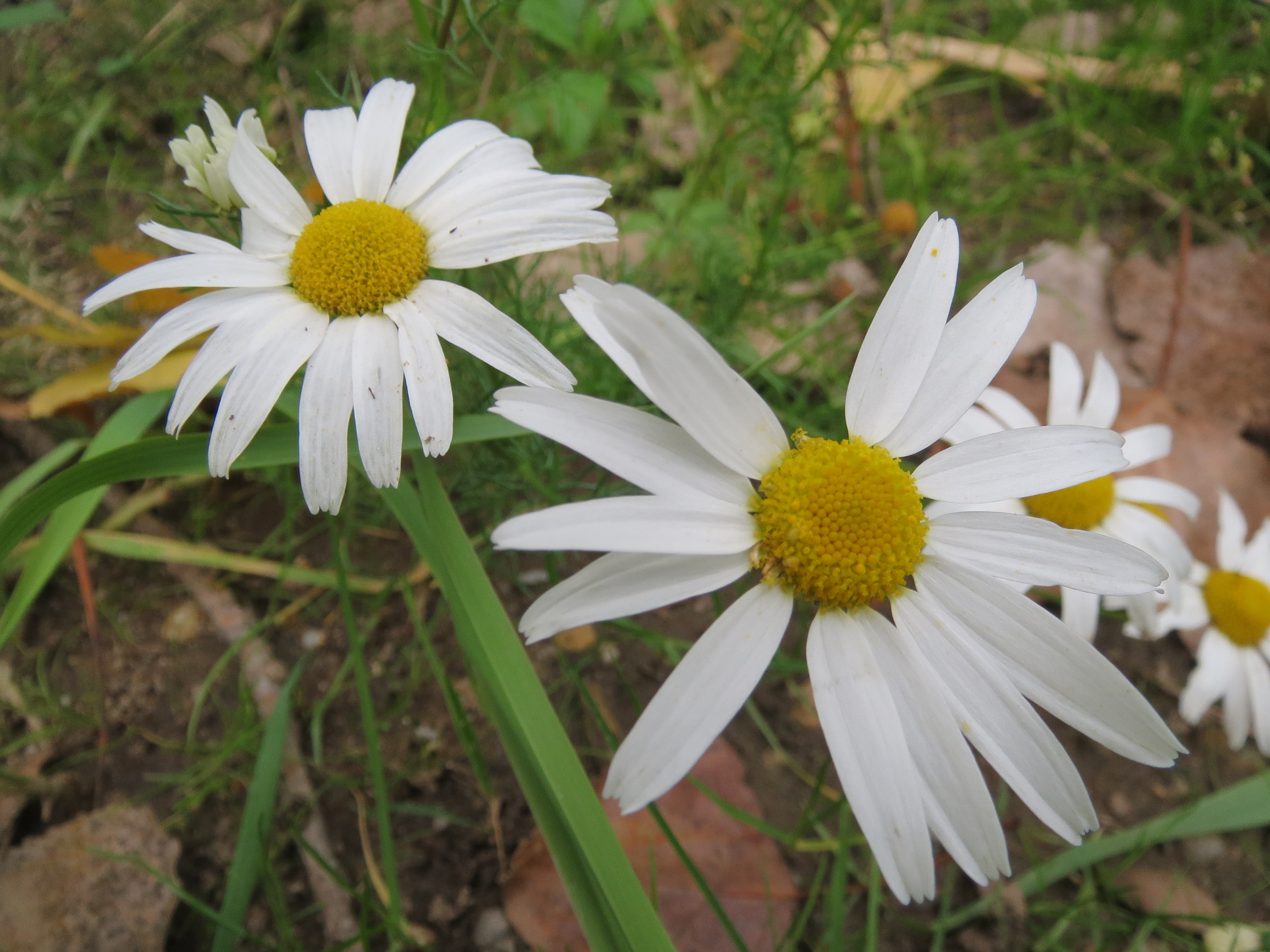
Habit: Herbaceous plant 30–70 cm tall. Stems: Erect or ascending, glabrous, and branched in the upper part. A frequent chromatic feature is the presence of reddish spots along them. Leaves: Sessile and finely divided, two or three times pinnatisect, into very thin hair-like segments, with a typical groove on the lower surface. Flowers: Gathered in capitula 1.5–4 cm wide, borne singly on long branchlets. The central flowers are tubular and yellow; the peripheral ones are ligulate, white, and conspicuous. Fruits: A small brownish-black cypsela 1–2 mm long, characterised by three prominent ribs. Flowering: April–December.
Distribution and habitat
Chorological type: European. Distribution in Italy: Present in much of continental territory as a spontaneous or adventive species. Habitat: It prefers disturbed soils, uncultivated fields, roadsides, and rubble, from the lowlands up to 1200 m a.s.l.
Etymology
Generic name (Tripleurospermum): From the Greek treis, three, pleura, rib, and sperma, seed, in reference to the three ribs present on the fruit. Specific name (inodorum): From Latin, clearly indicating the lack of fragrance, a distinctive feature compared with species of the genus Matricaria.
Uses and properties
This species is considered medicinal, but with a much more limited profile of use than true chamomile. Because of the absence of chamazulene and of the essential oils typical of the true chamomiles, it does not possess the same sedative or antispasmodic properties. In folk practice it has sometimes been used for its mild anti-inflammatory and tonic properties, but today its interest is mainly botanical or ecological as a pioneer plant. It has no significant culinary use, although it is not considered toxic.