The Soothing Herb with Lacy Leaves
Characteristics
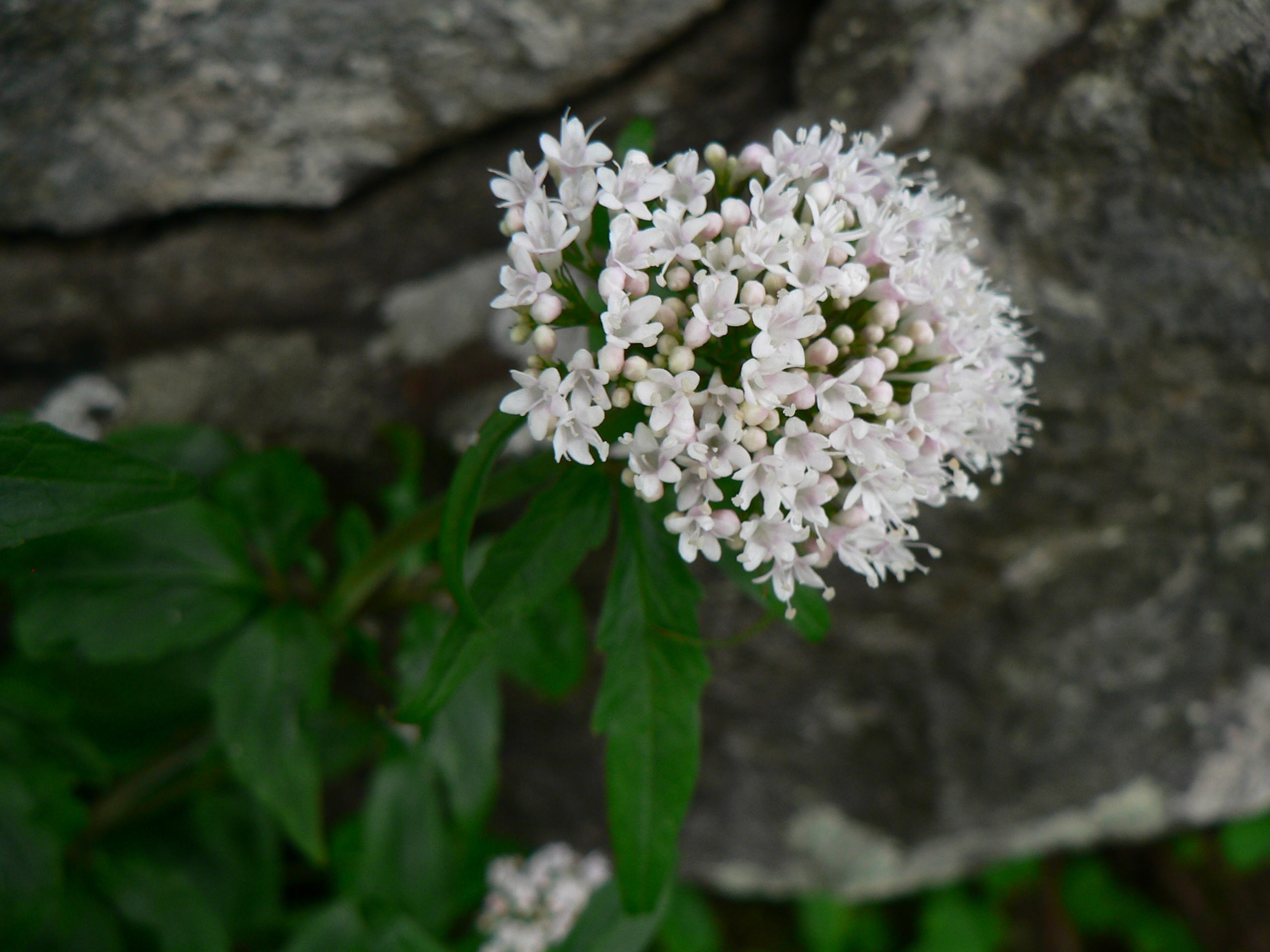
Habit: Perennial herbaceous plant 20–50 cm tall. Stems: Striated and with slight hairiness, especially at the nodes. Leaves: Of an ashen green or glaucous tone. The basal leaves are gathered in a rosette, have a long hairy petiole and a triangular or ovate blade with a cordate base; the cauline leaves are ternate, that is, divided into three distinct leaflets. Flowers: Gathered in a rather open corymb. The corolla is campanulate and gamopetalous, white-pink or pale lilac, 3–5 mm long. Fruits: An oblong, glabrous cypsela provided with a white feathery pappus enabling wind dispersal. Flowering: May–August.
Distribution and habitat
Chorological type: Southern European orophyte. Distribution in Italy: Present in almost the whole continental territory, Alps and Apennines. Habitat: It grows in humid woods, along mountain stream banks, and in shaded rocky crevices, between 600 and 2000 m a.s.l.
Etymology
Generic name (Valeriana): From the Latin valére, to be strong or to be well, in reference to its therapeutic virtues. Specific name (tripteris): From the Greek treis, three, and pteron, wing, referring to the trifoliate structure of the cauline leaves which appear like three wings.
Uses and properties
Three-leaved valerian is a medicinal species whose biochemical properties largely overlap with those of common valerian, containing sesquiterpenes, iridoids, and essential oils. It acts effectively as a sedative of the central nervous system, an antispasmodic, and a mild narcotic. Thanks to its lower toxicity compared with other species of the genus, it is still highly appreciated in pharmacy for the preparation of galenical products. It is mainly used against insomnia, states of nervous excitability, cardiac neuroses, stress palpitations, and digestive disorders of psychosomatic origin.