The Thorny Shade with Elm Leaves
Characteristics
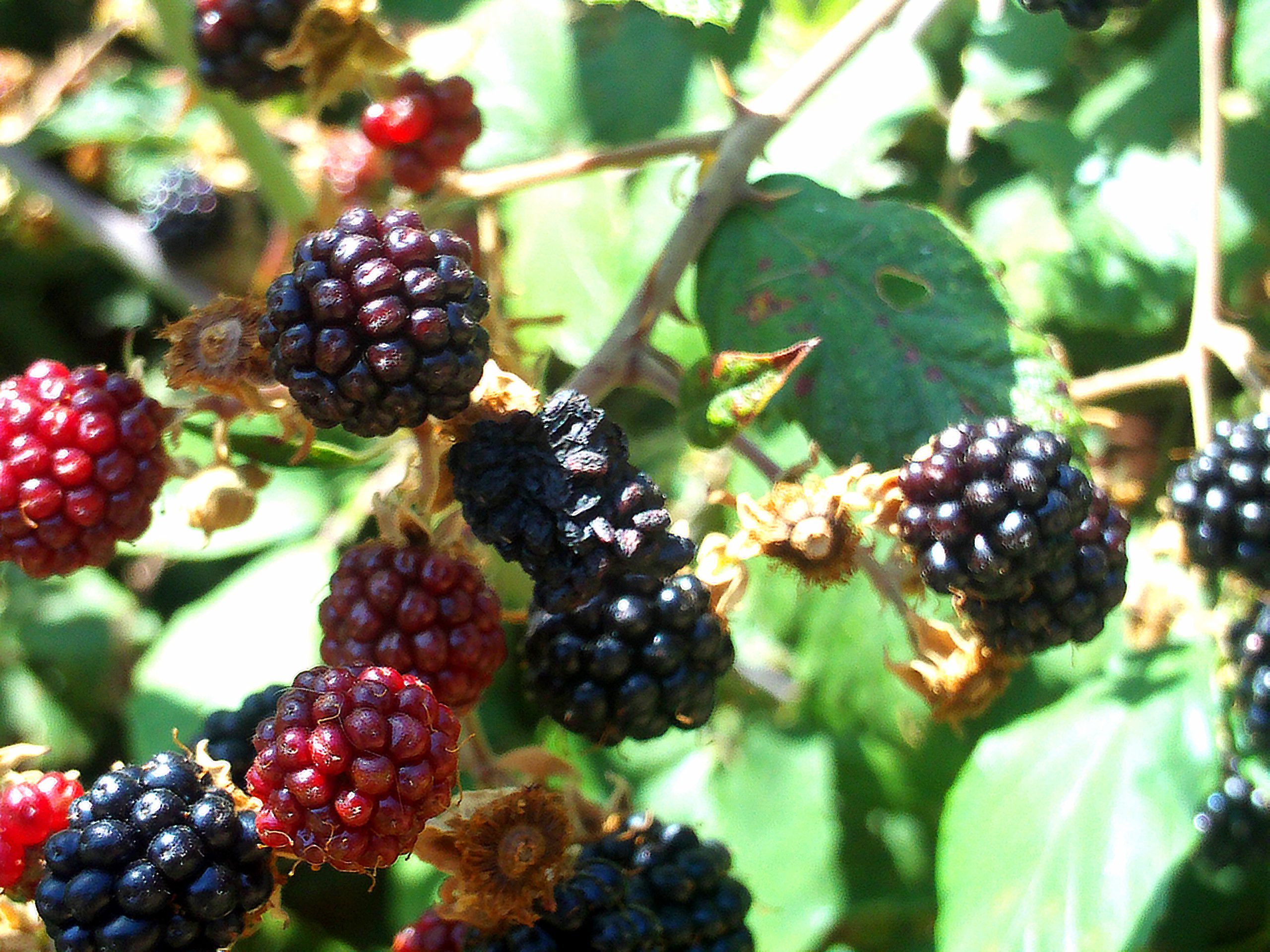
Habit: Perennial evergreen shrub with a sarmentose and climbing habit, supported by a robust woody root capable of producing numerous suckers. Stems: 50 cm to 3 metres long; initially sub-erect, they later arch toward the ground, where the apical bud may root and give rise to a new plant (vegetative propagation by layering). They are violet or reddish in colour and covered with bloom. They are armed with robust prickles, broadened at the base and hooked backward. Leaves: Palmately arranged and petiolate, usually composed of 5 leaflets (rarely 3). The terminal leaflet is obovate, while the lateral segments are obovate-acuminate with irregularly toothed margins. The chromatic contrast between the upper surface, dark green and glossy, and the lower one, densely white-tomentose, is very evident. Flowers: Gathered in a terminal pyramidal panicle. The flowers have a calyx with 5 white-tomentose sepals, reflexed downward after flowering. The corolla is composed of 5 deep pink petals (more rarely white), oval in shape and 9–13 mm long. Fruits: A compound infructescence called a polydrupe (blackberry), formed by numerous small fleshy drupelets that are black and glossy at maturity. Flowering: April–July.
Distribution and habitat
Chorological type: Eurymediterranean. Distribution in Italy: Extremely common and present in all regions, from coastal areas up to the mountains. Habitat: It grows in uncultivated land, path margins, riparian woods, hedges, and anthropised areas, from sea level up to 1400 m a.s.l.
Etymology
Generic name (Rubus): From the Latin ruber (red), in reference to the colour of the unripe fruits or the juice produced by the drupelets. Specific name (ulmifolius): Composed of Ulmus (elm) and folium (leaf), because of the morphological resemblance of the individual leaflets to those of the genus Ulmus.
Uses and properties
Common bramble is a medicinal plant known since antiquity; the Romans chewed its leaves to stop bleeding gums. Thanks to the high content of tannins and organic acids, leaves and roots have astringent, anti-inflammatory, and hypoglycaemic properties, proving effective against inflammations of the oral cavity and intestinal disorders. Blackberries are nutritious fruits, rich in Vitamins A and C, calcium, and iron. They are eaten fresh or turned into jams, syrups, and jellies. The seeds are also a valuable source of Omega-3 and Omega-6 fatty acids. The long, flexible canes, once stripped of their thorns, are used to weave very resistant rustic baskets. According to a curious folk tradition, blackberries should not be picked after 29 September (St Michael’s Day), because it is believed that the devil “spits on them,” making them bitter or spoiled, a belief probably linked to the natural deterioration of the fruits with autumn humidity.