The Garden of Apennine Flora hosts an extraordinary variety of natural and reconstructed environments that represent the typical ecosystems of the central and southern Apennines.
From montane beech forests to high-altitude grasslands, from wetlands to rocky environments, each habitat tells the story of the balance between altitude, climate and terrain morphology, offering visitors an immersive journey into the biodiversity of the montane and high-montane zones.
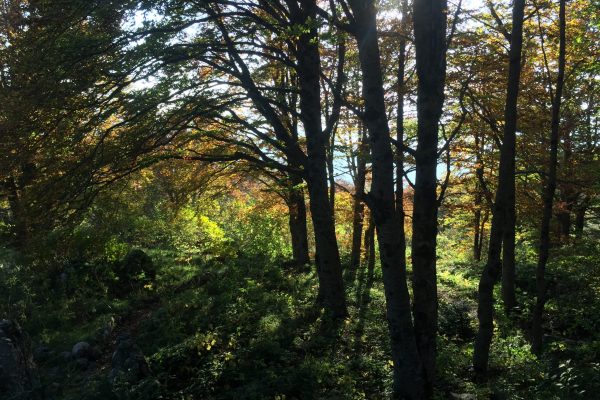
The beech forest represents one of the most characteristic forest ecosystems of the Apennines. Dominated by beech (Fagus sylvatica), it develops in the cooler and more humid montane zones, creating shaded environments rich in undergrowth.
This habitat hosts a quiet yet valuable biodiversity, composed of herbaceous plants, mosses and species that find ideal growing conditions in the forest microclimate.
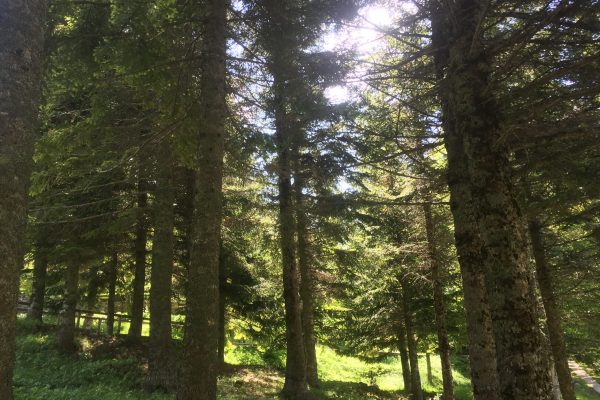
The silver fir forest is a habitat of high natural value, characterised by the presence of silver fir (Abies alba), a species typical of Apennine mountain areas.
This habitat tells the story of ancient mountain forests, now rare in many areas, and represents a significant example of vegetation linked to cooler climates and deep soils.
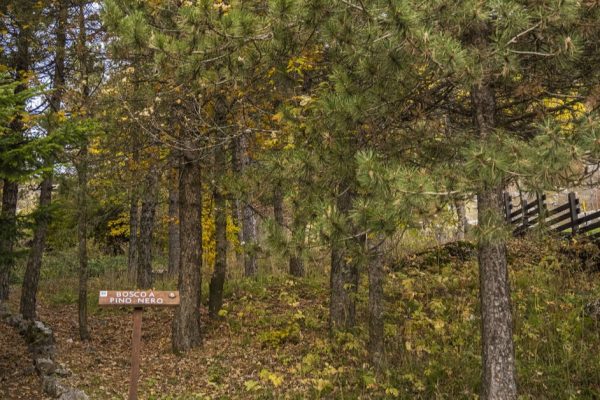
The black pine forest (Pinus nigra) is a habitat that demonstrates the adaptability of conifers to poorer soils and more variable climatic conditions.
Here, the landscape takes on a brighter and more open character compared to the beech forest, providing a favorable habitat for herbaceous and shrub species typical of Mediterranean mountain environments.
The areas dedicated to high-altitude plants recreate the ecological conditions of upper mountain grasslands, where plant species have adapted to harsh temperatures, strong thermal fluctuations, and intense winds.
This is a botanical heritage of great scientific interest, telling the story of the evolution and resilience of Apennine flora.
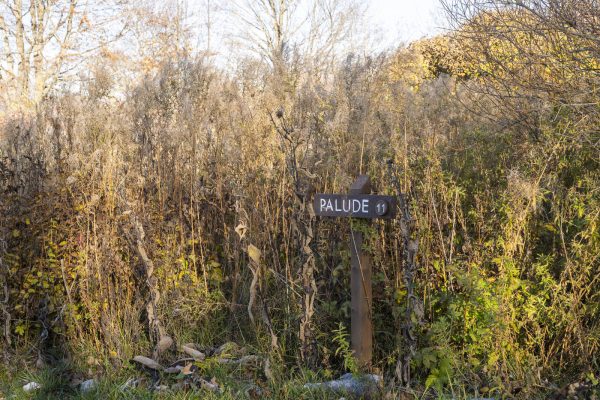
The wetland represents a fundamental ecosystem for biodiversity. Wetlands host specialized plant species, adapted to water-saturated soils and variable environmental conditions.
This habitat plays an essential ecological role, contributing to water regulation and providing shelter for numerous animal species.
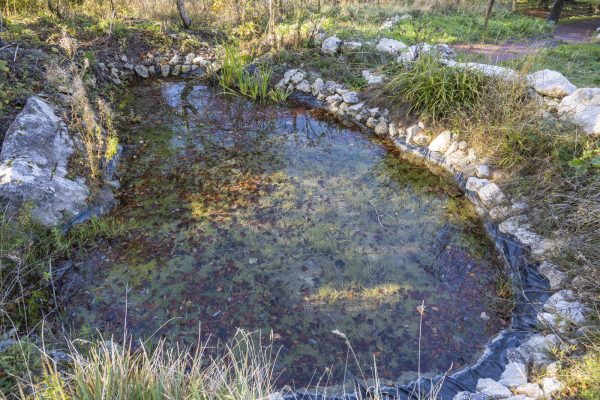
The pond is an aquatic environment that enriches the Garden’s route with a dynamic and vibrant dimension.
Around the water surface, hygrophilous plants develop, creating a micro-ecosystem that supports the presence of insects, amphibians, and other forms of life associated with wet environments.
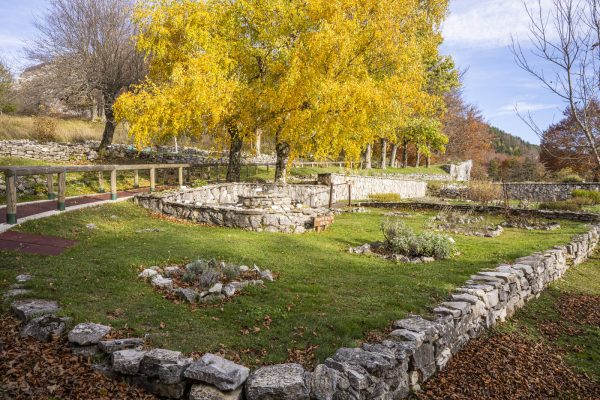
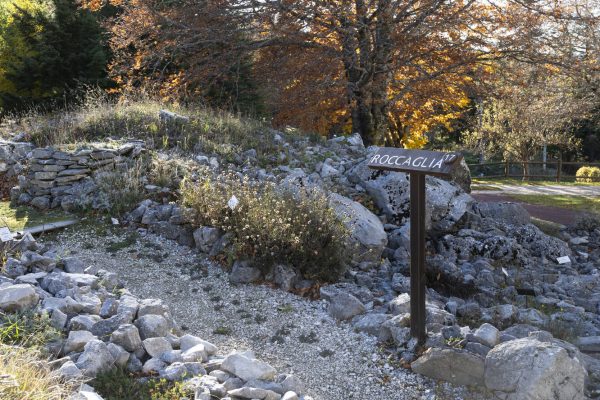
The rock garden recreates rocky and steep environments typical of mountain areas, where the soil is shallow and growing conditions are challenging.
The species that inhabit this habitat are highly specialized and often adapted to extreme conditions, representing a significant example of the most resilient Apennine biodiversity.