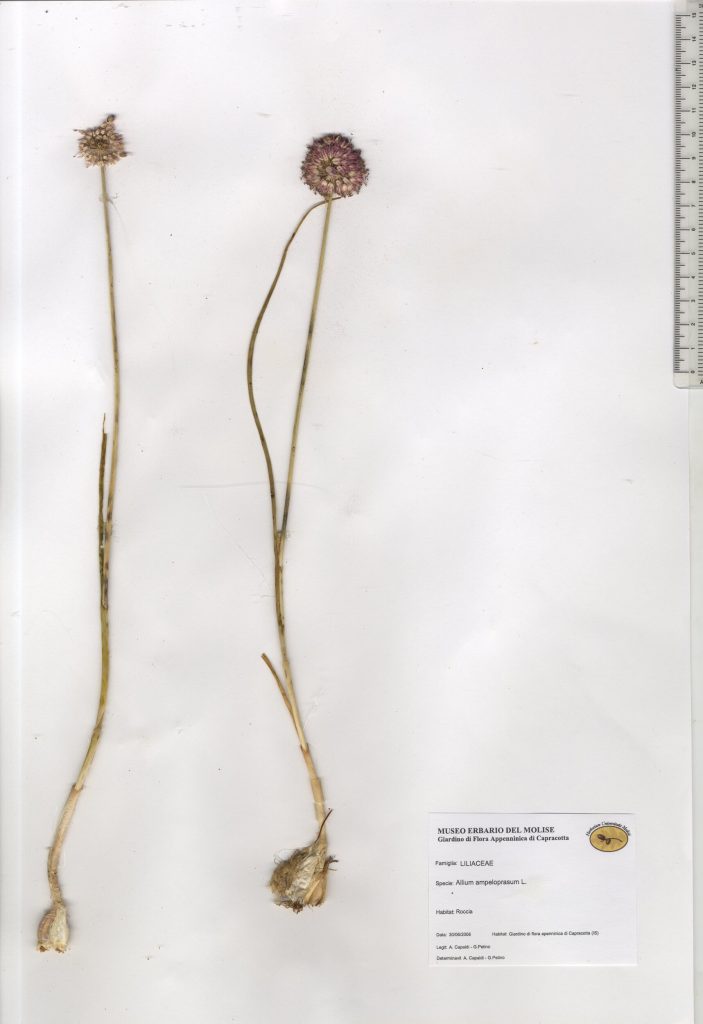
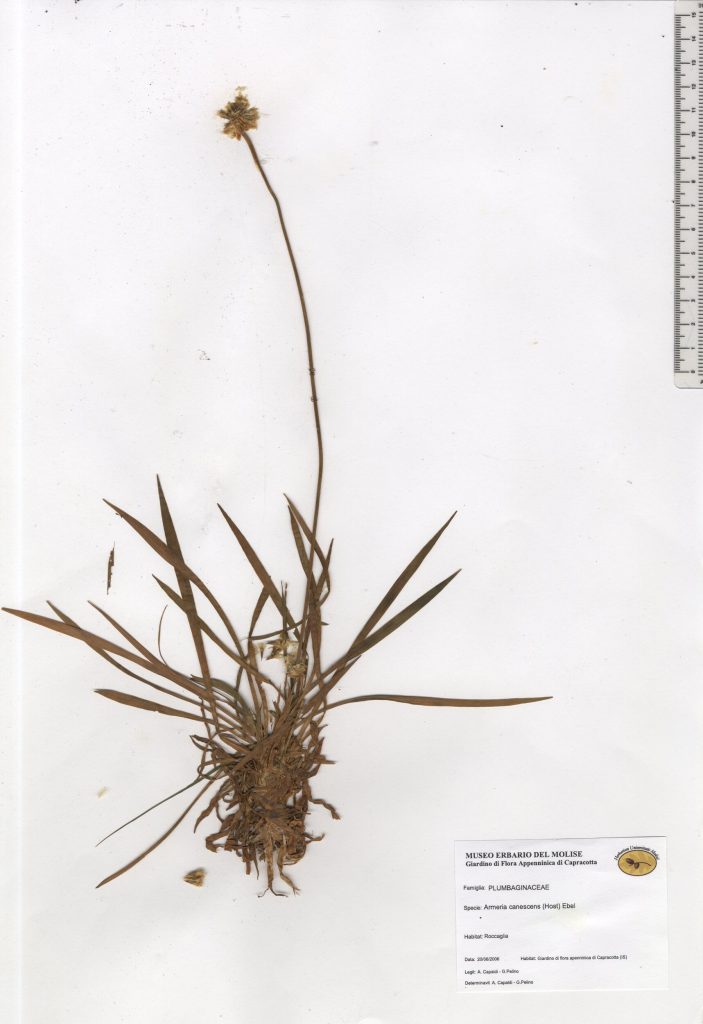
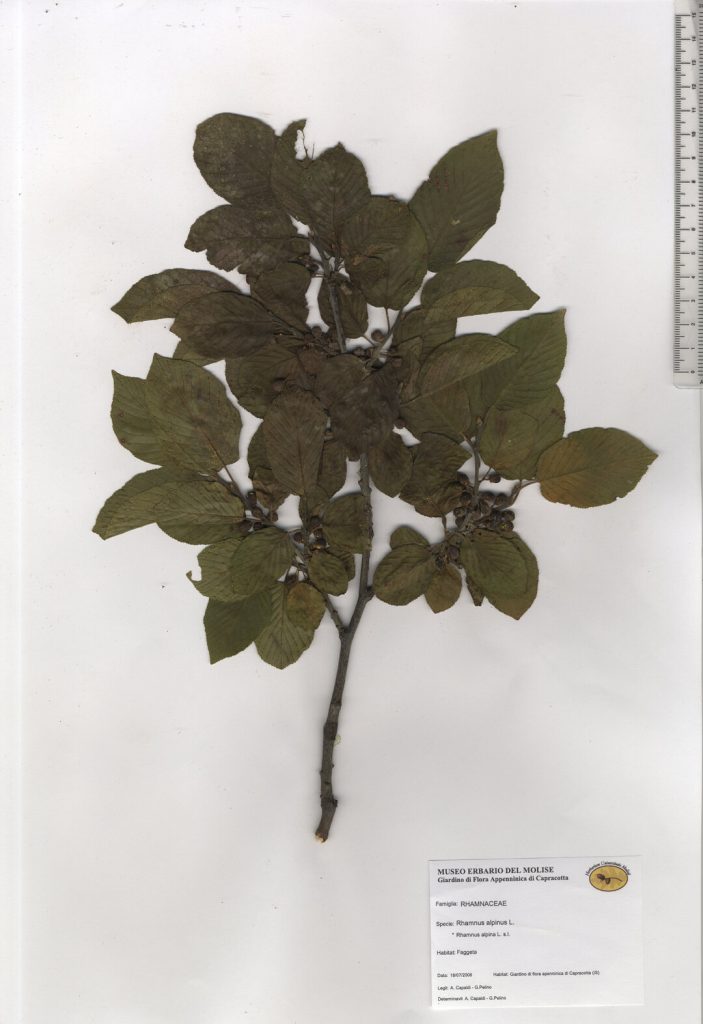
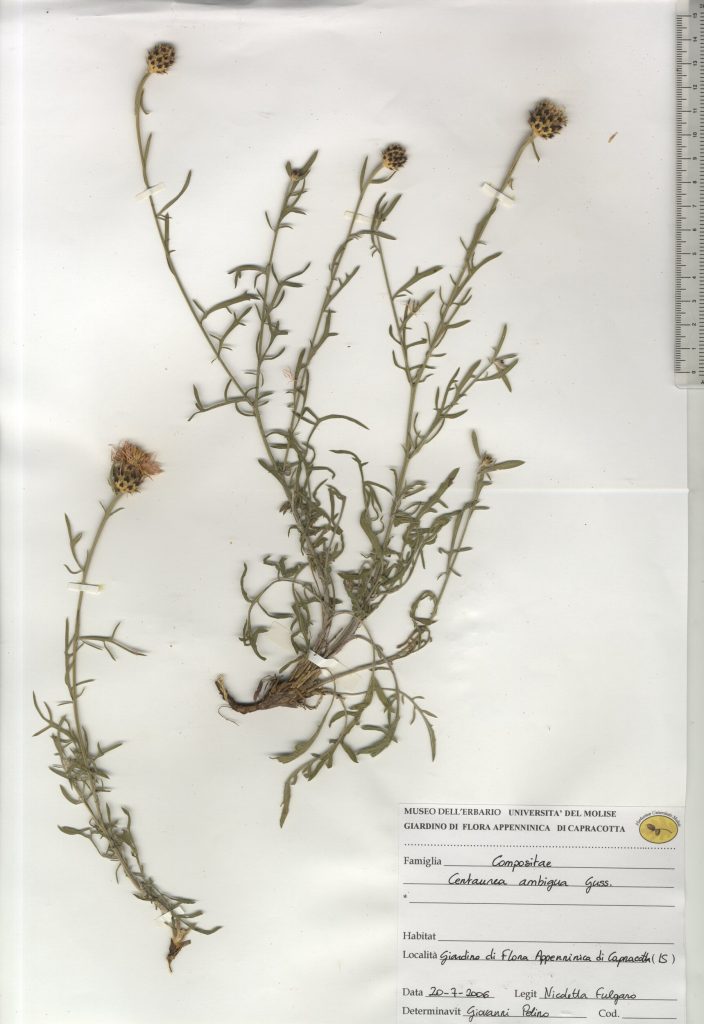
Habitats

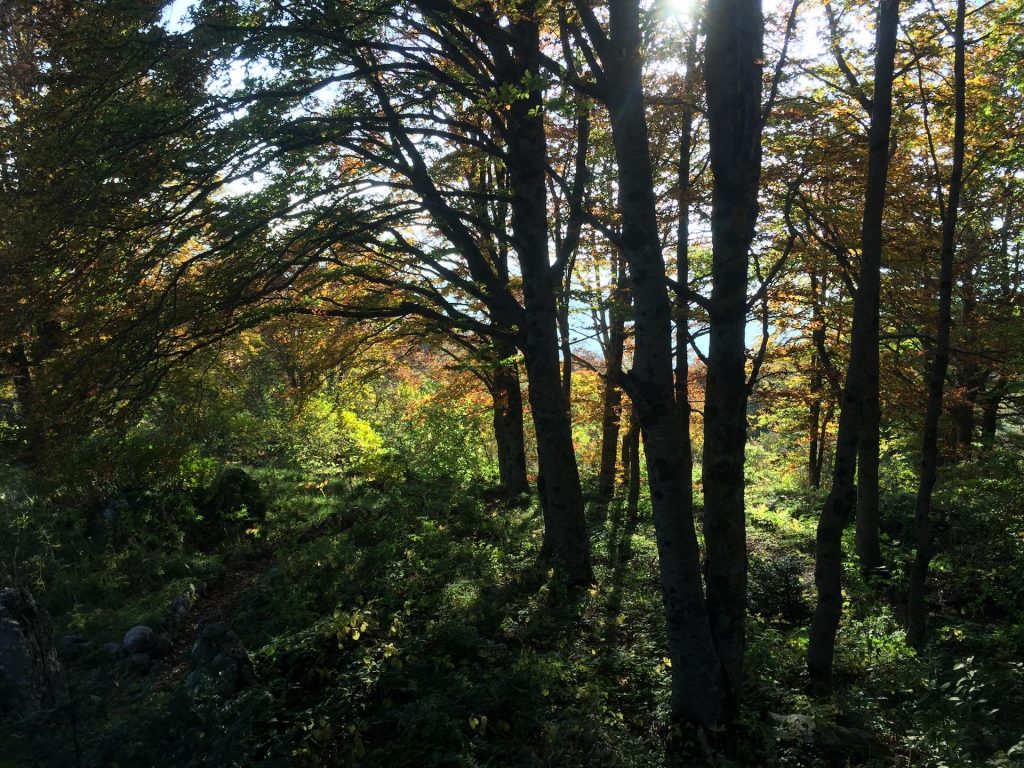
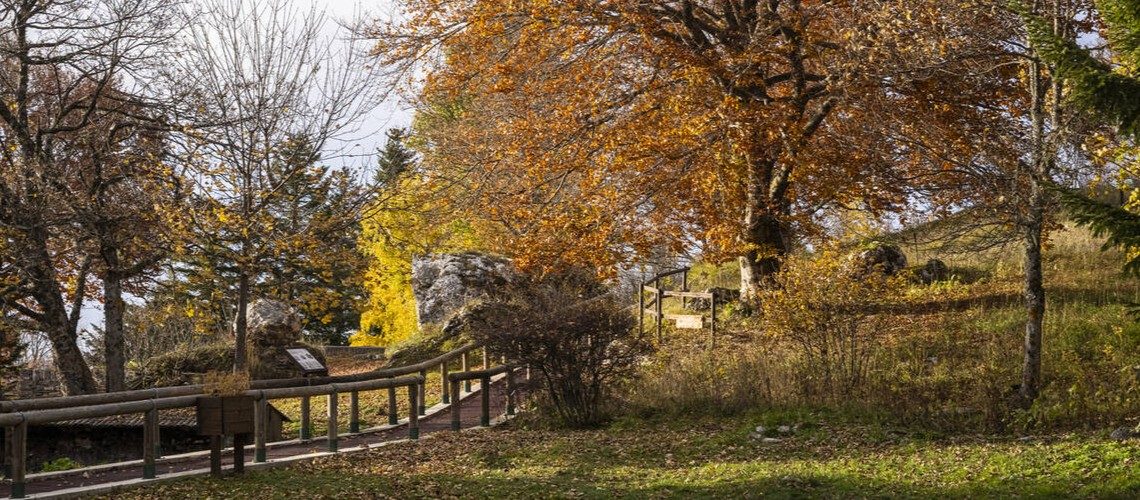
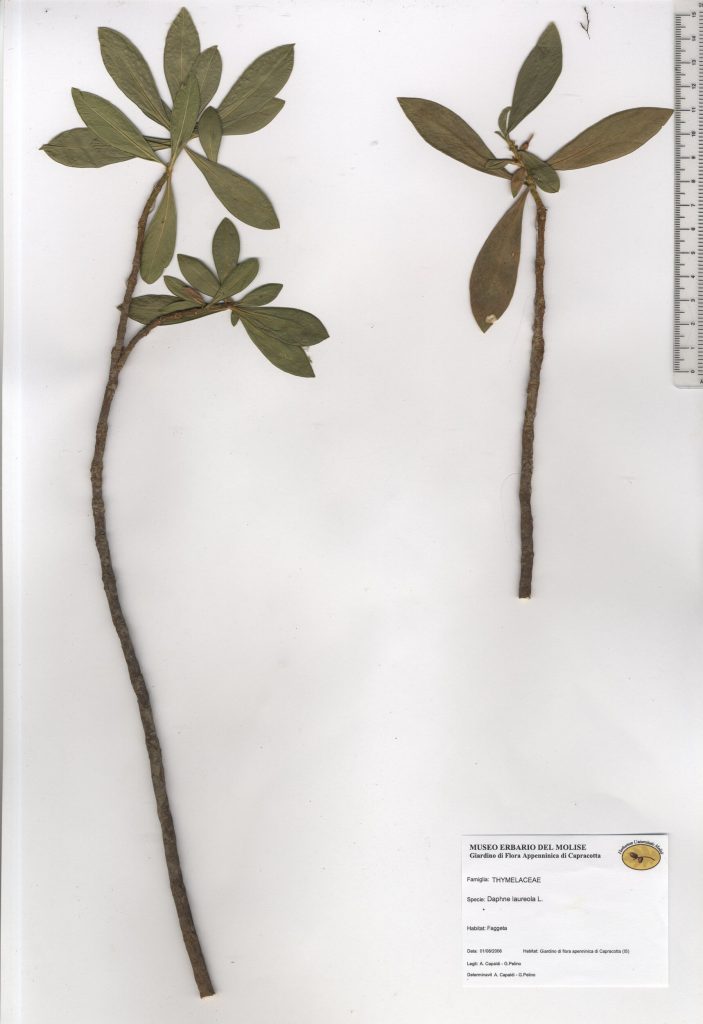
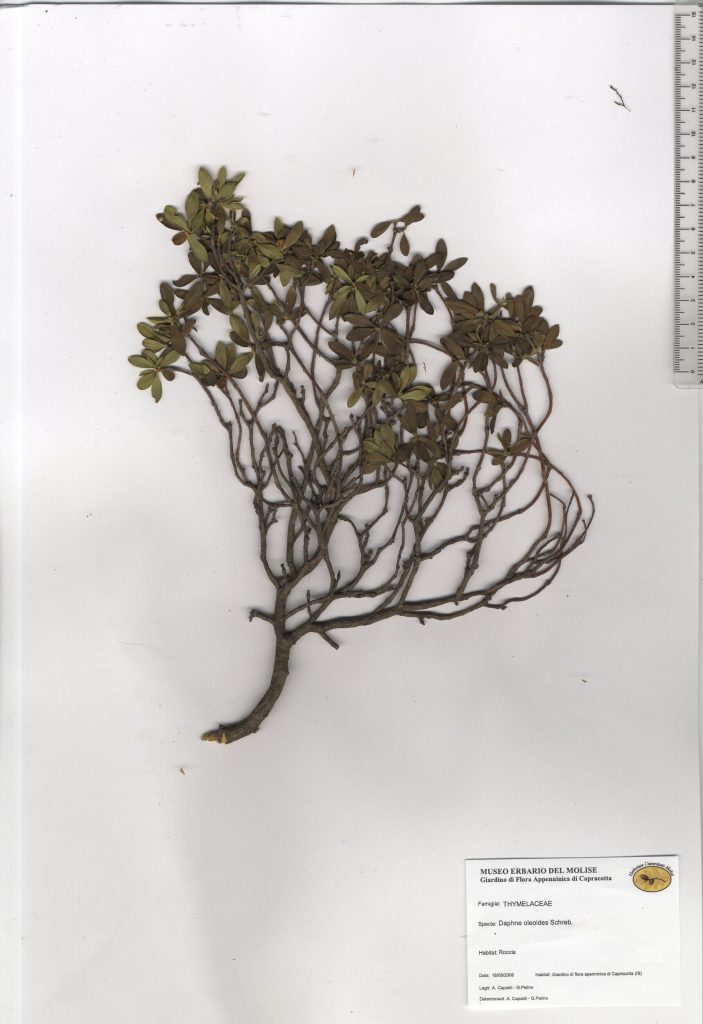
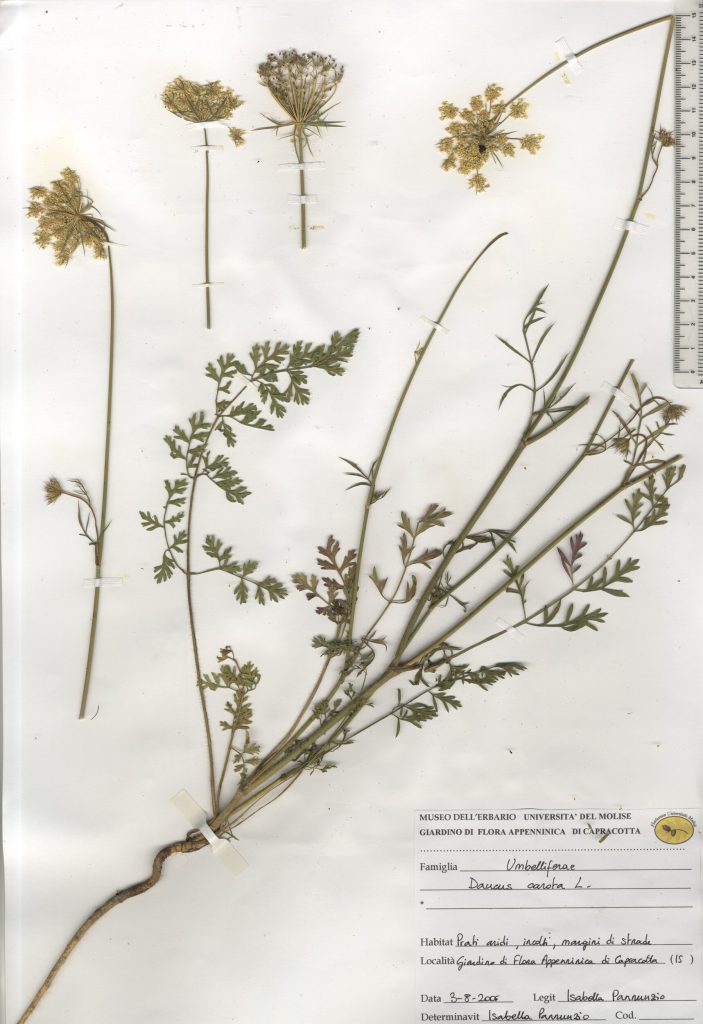
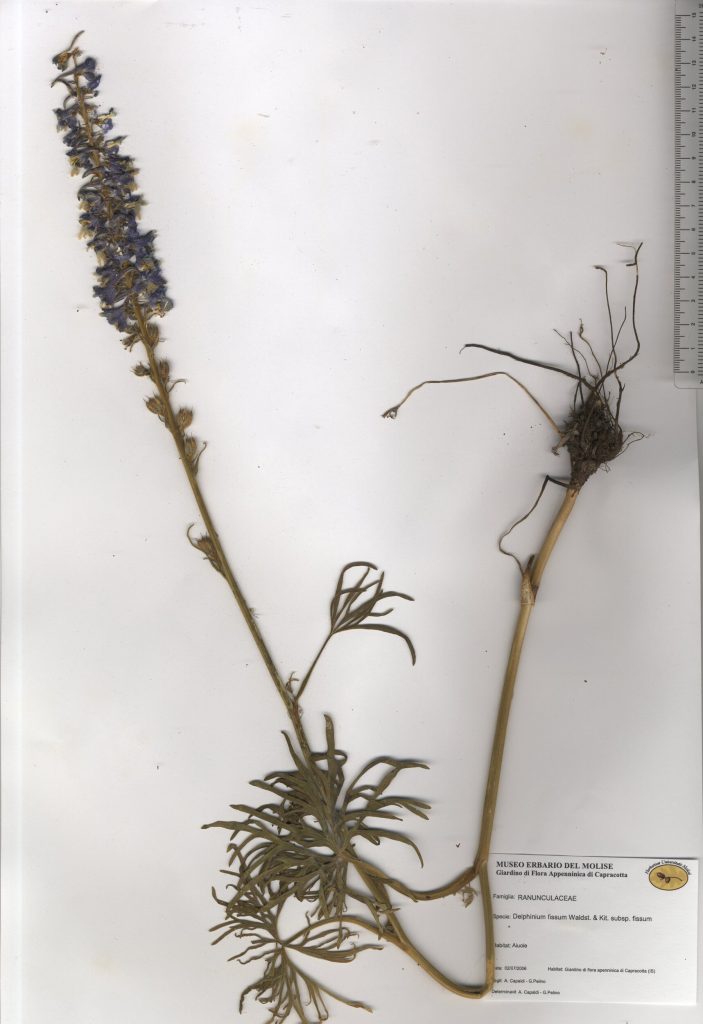
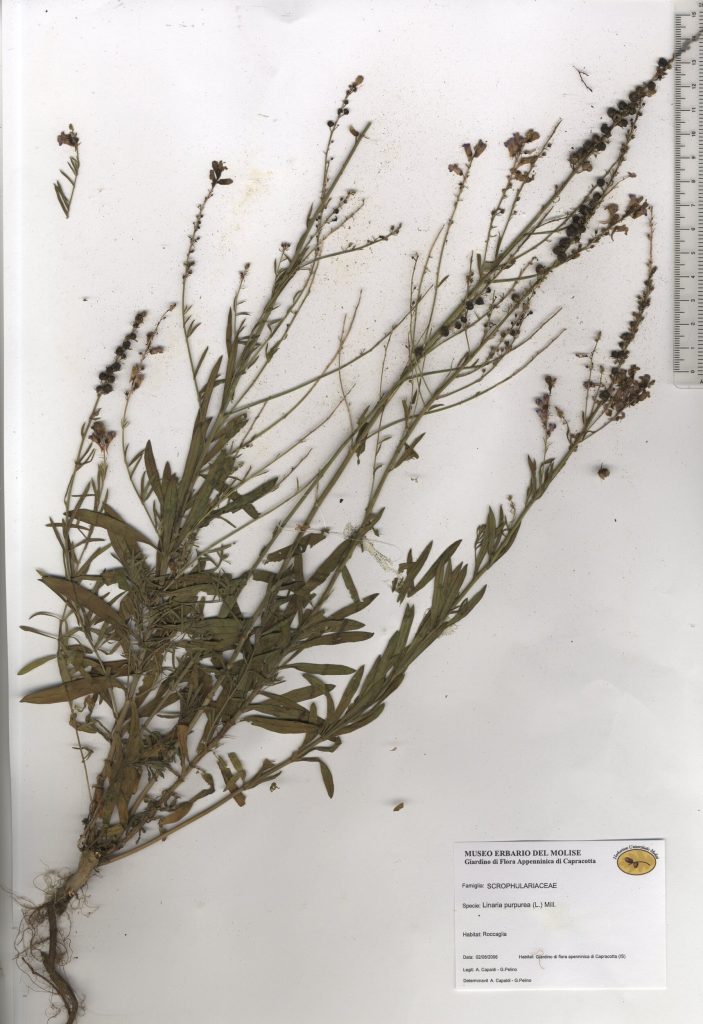
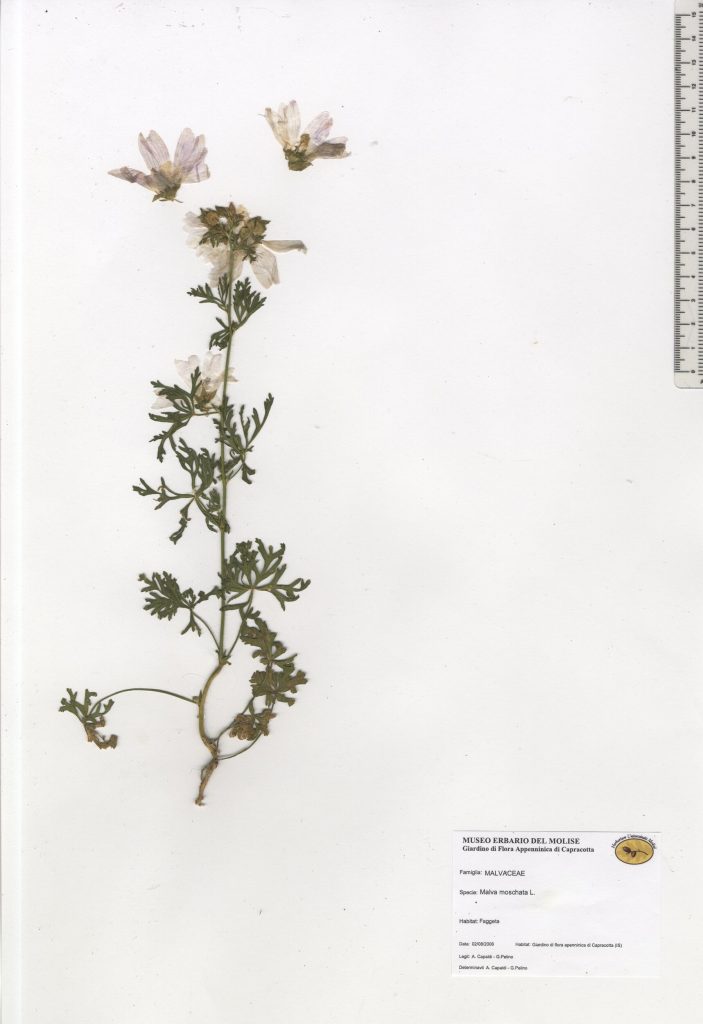
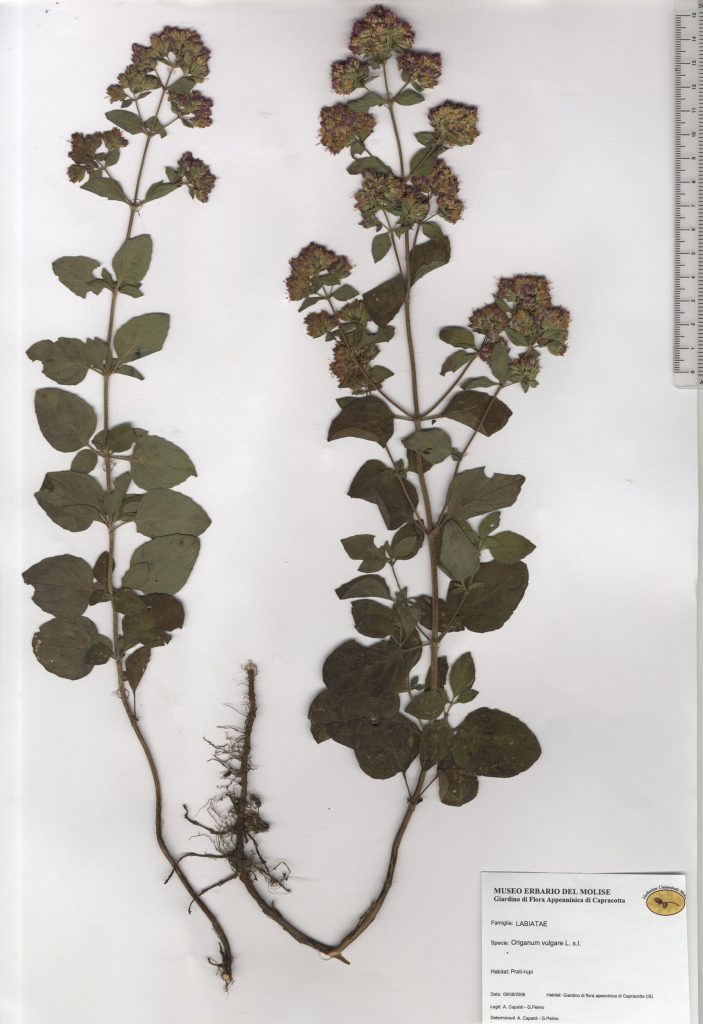
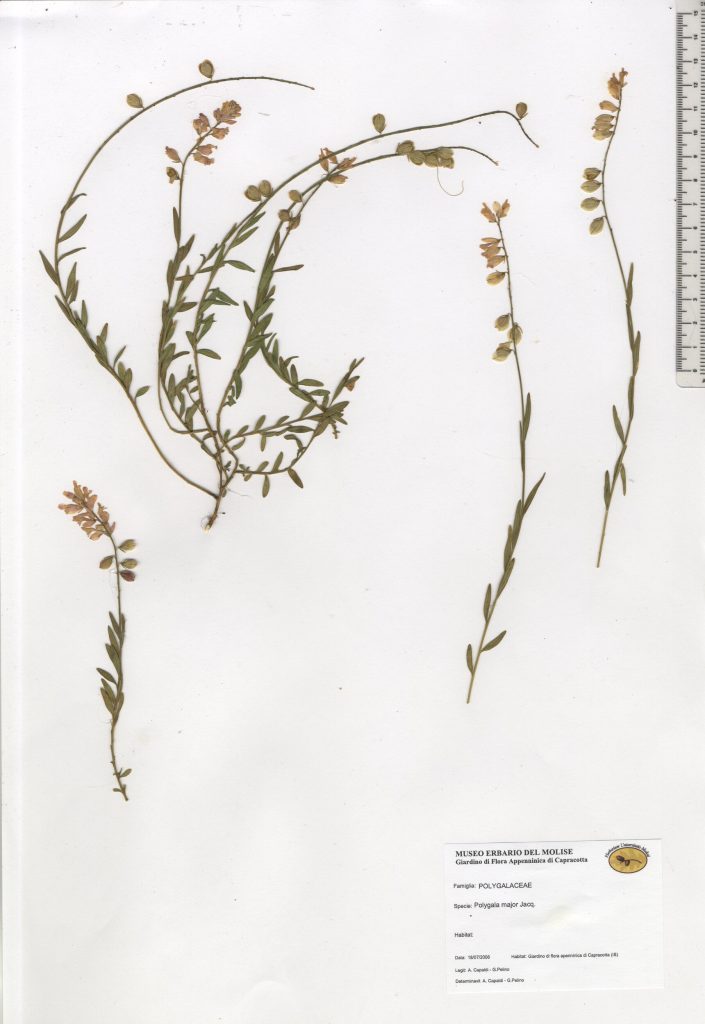
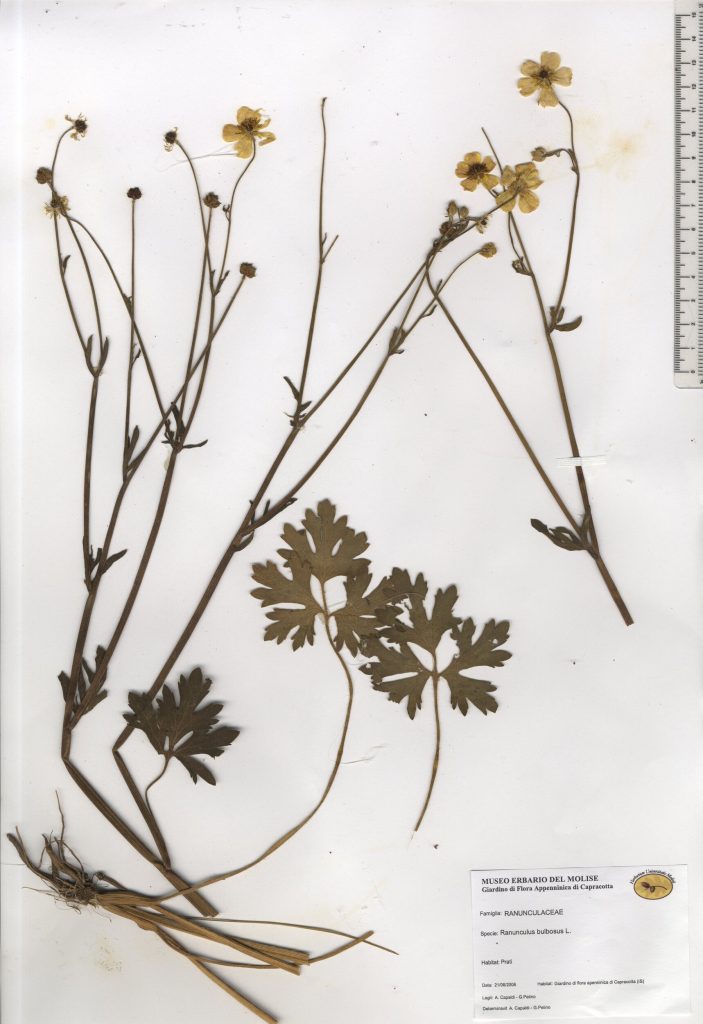
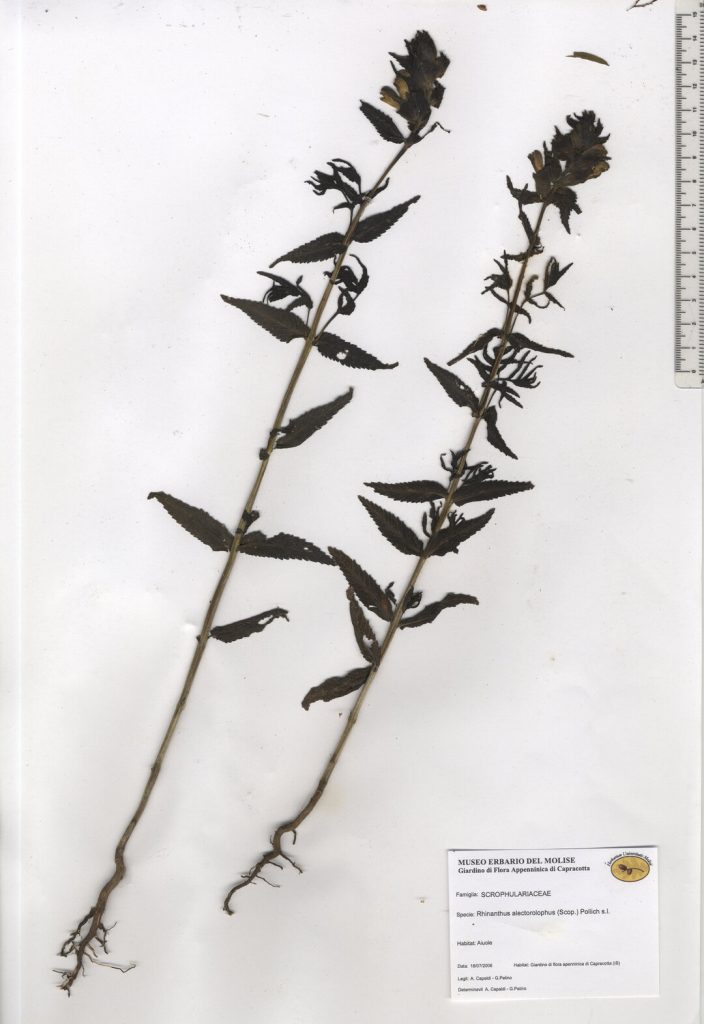
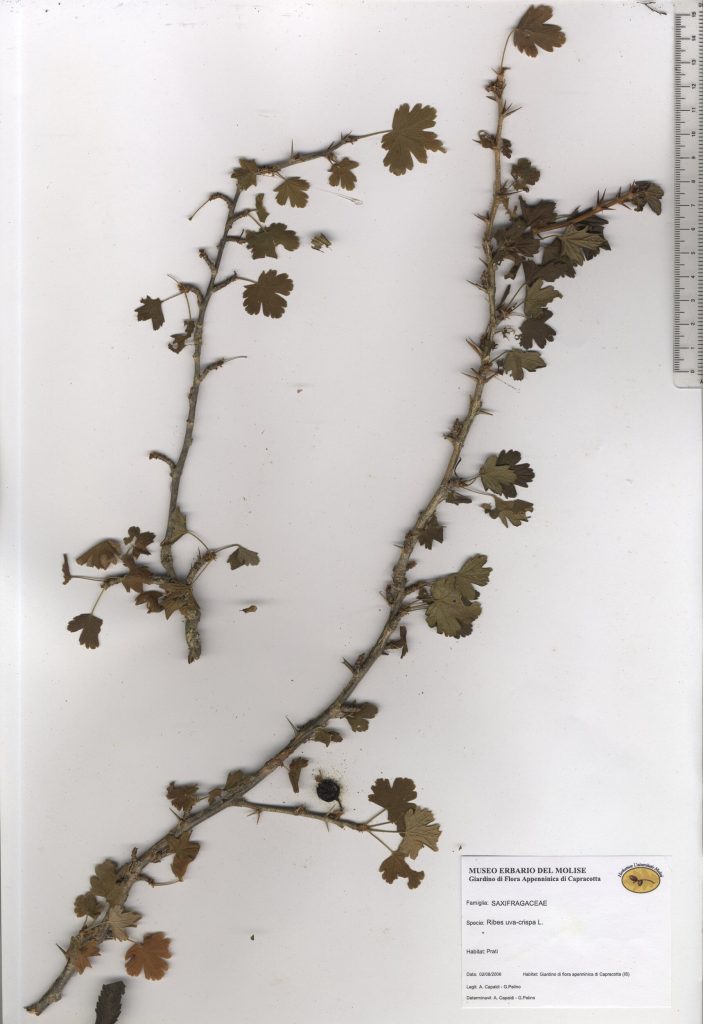
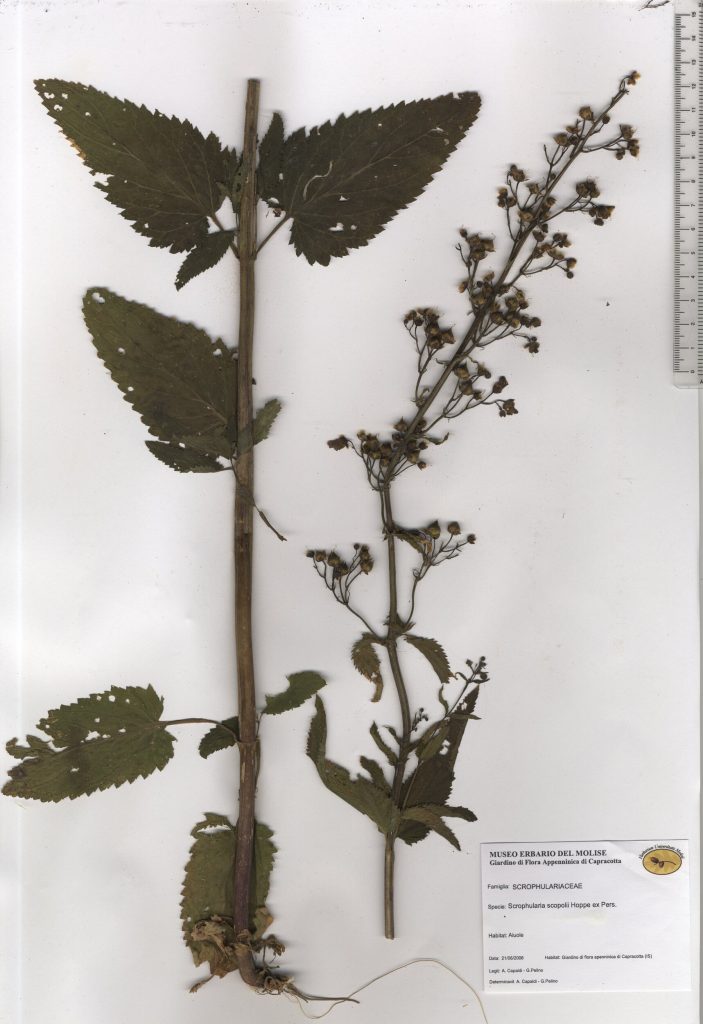
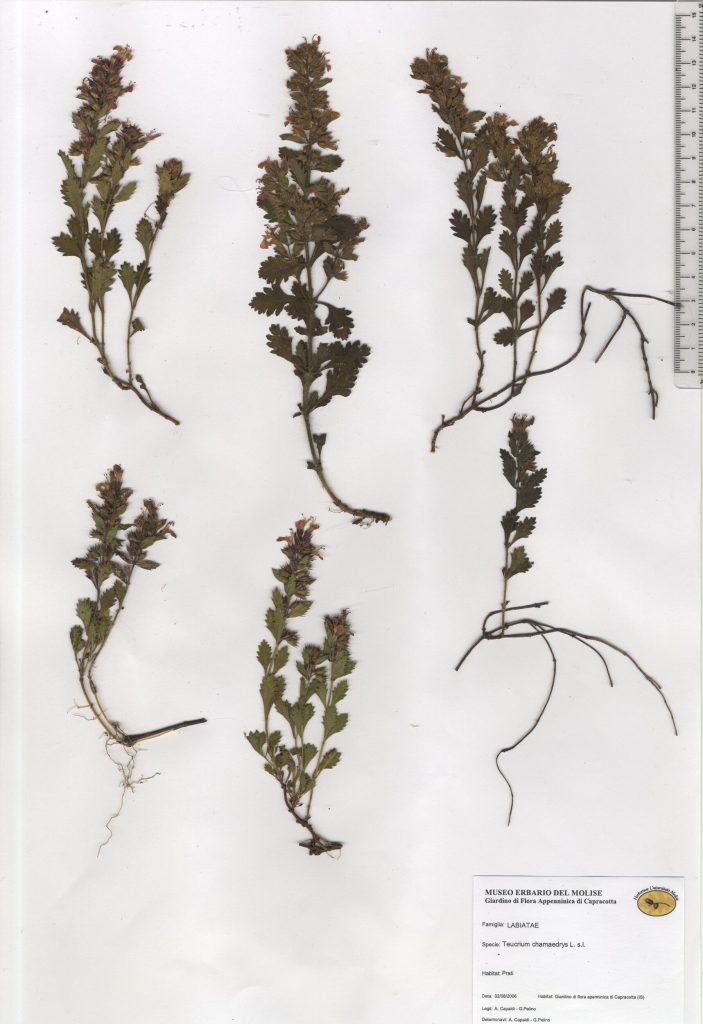
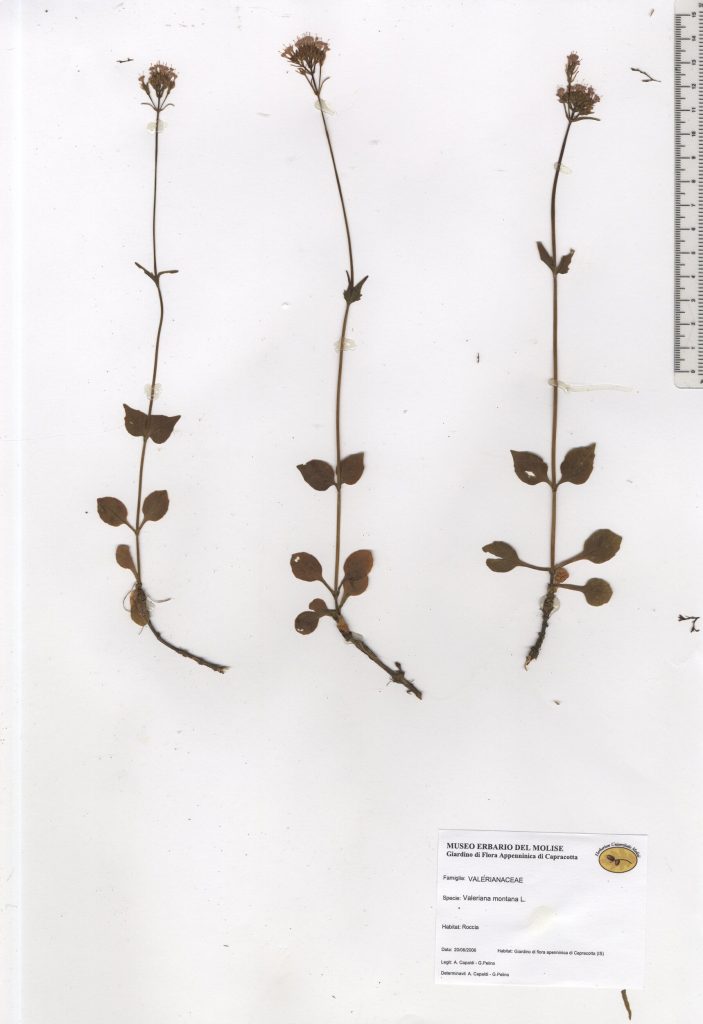
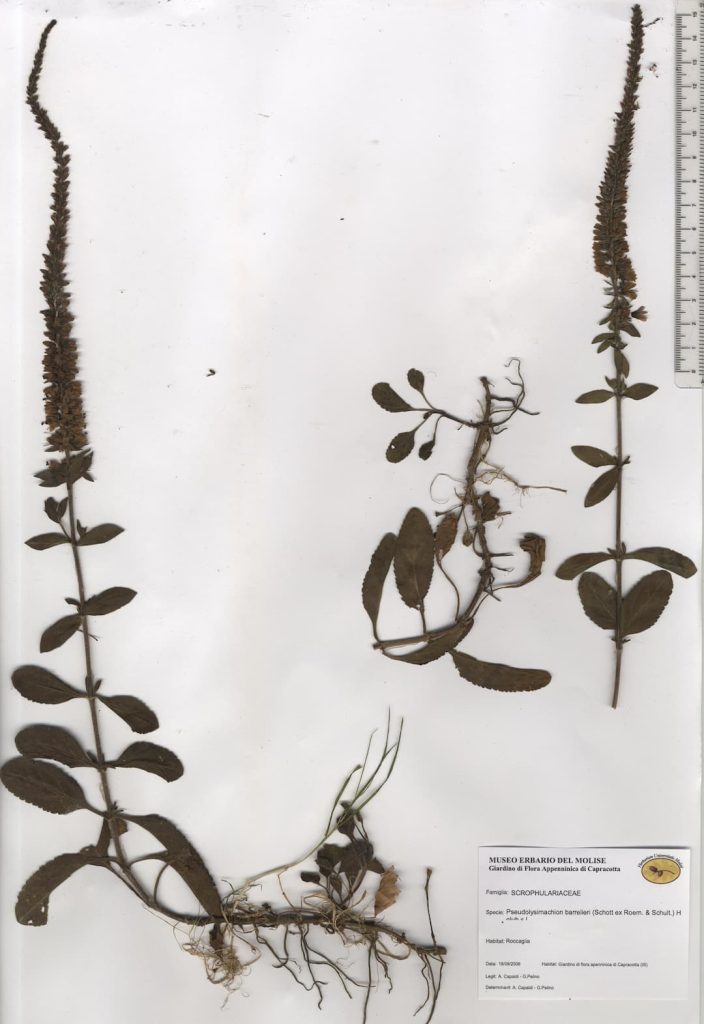
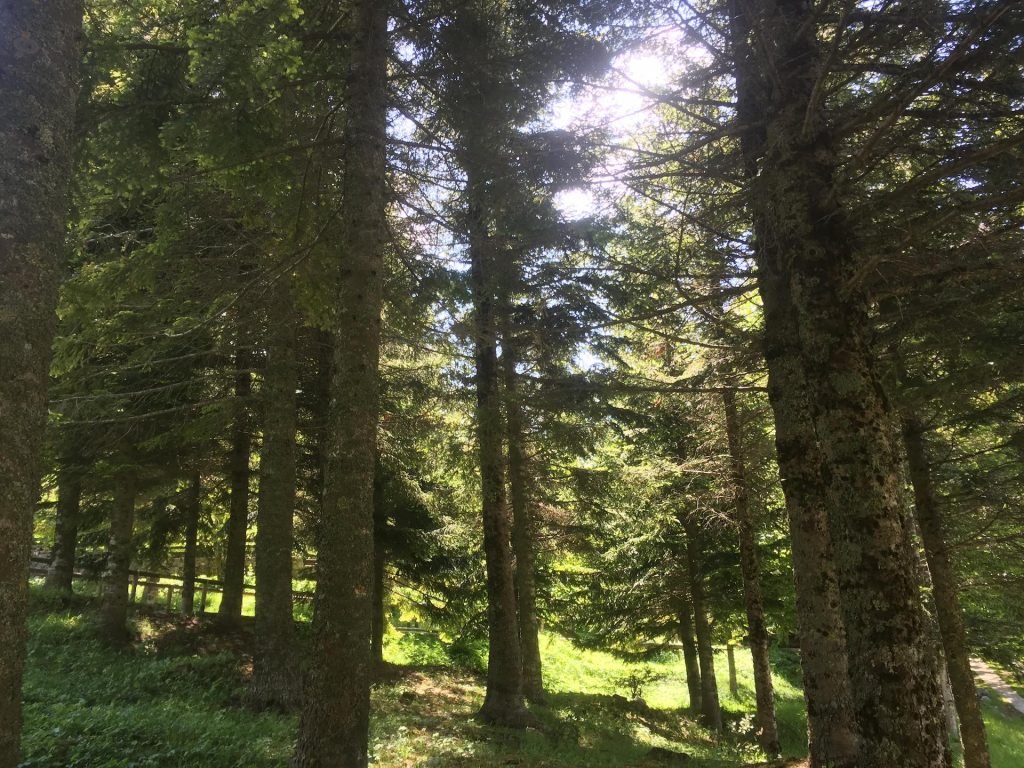
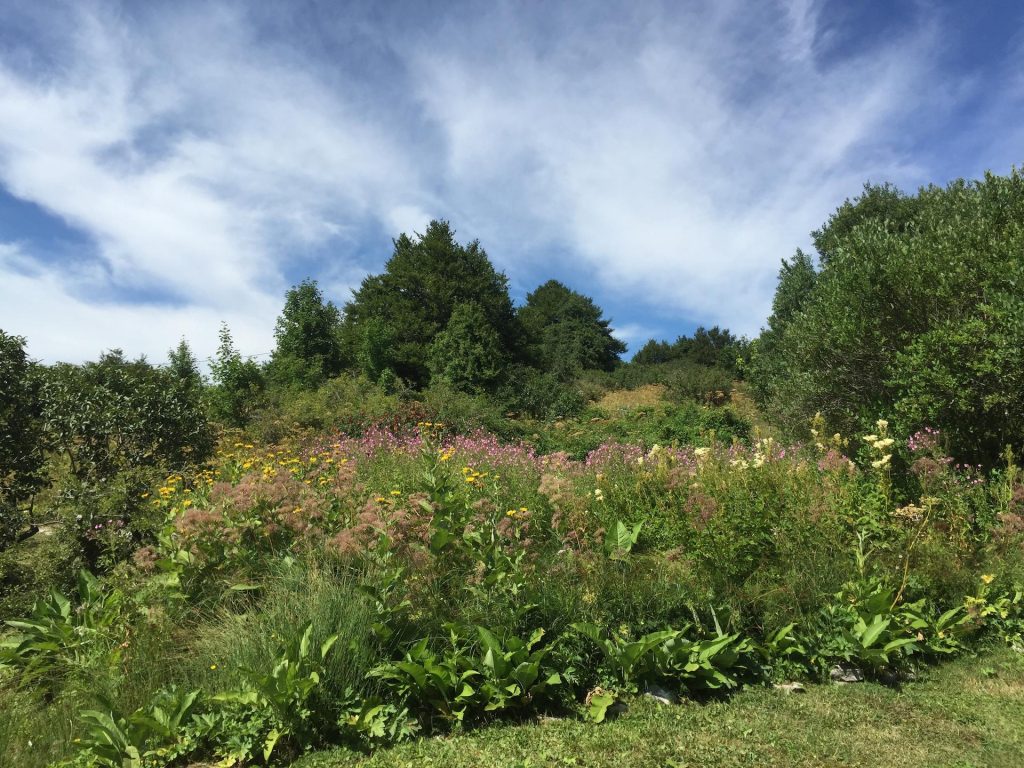
The remarkable richness of plant species is due to the presence of a wide variety of habitats, some of which are entirely natural—such as beech forests, shrublands, grasslands, wetlands and rocky outcrops—while others have been created by enhancing the morphological features of the terrain, such as rock gardens and ponds. The Garden therefore offers a unique opportunity to explore, in an accessible way, the typical environments of the montane and high-montane zones of the central and southern Apennines.

Equally important and fascinating are the terraces dedicated to medicinal plants and native crop varieties, which serve as true research laboratories for the study of traditional knowledge and practices related to the plant world.
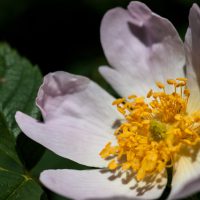
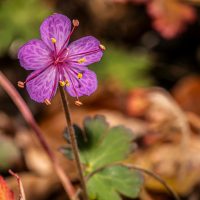
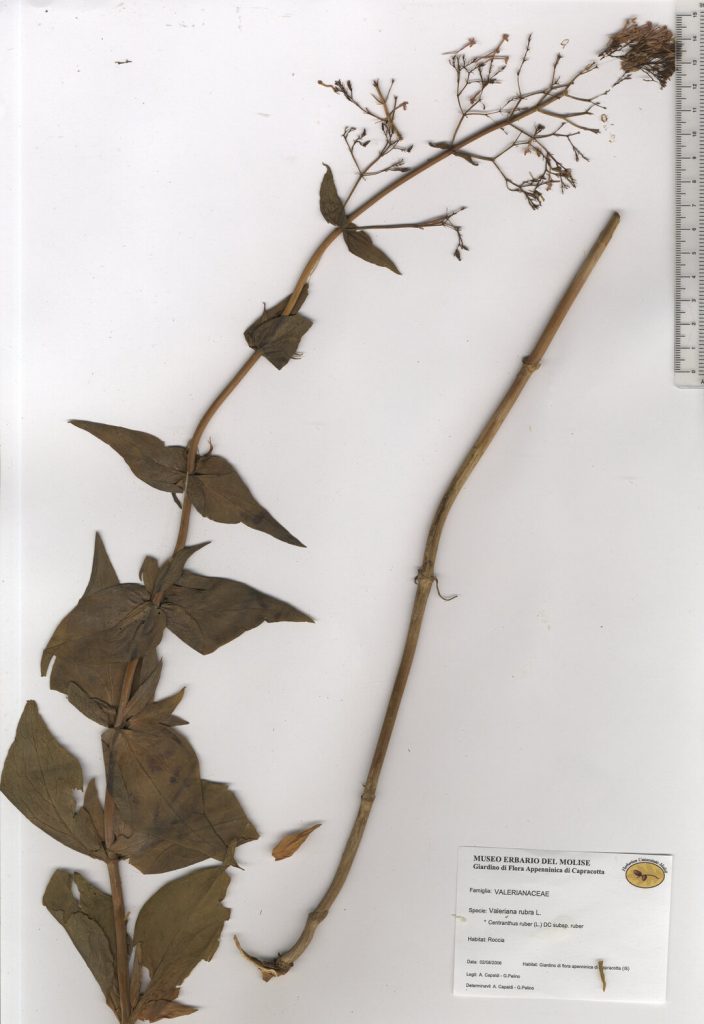
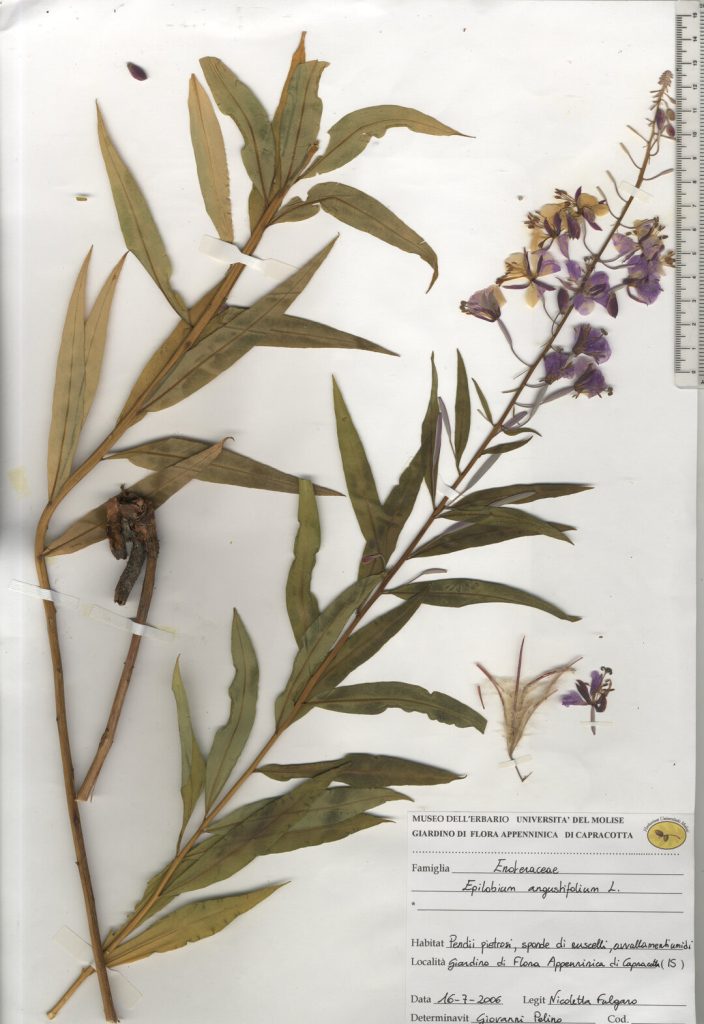
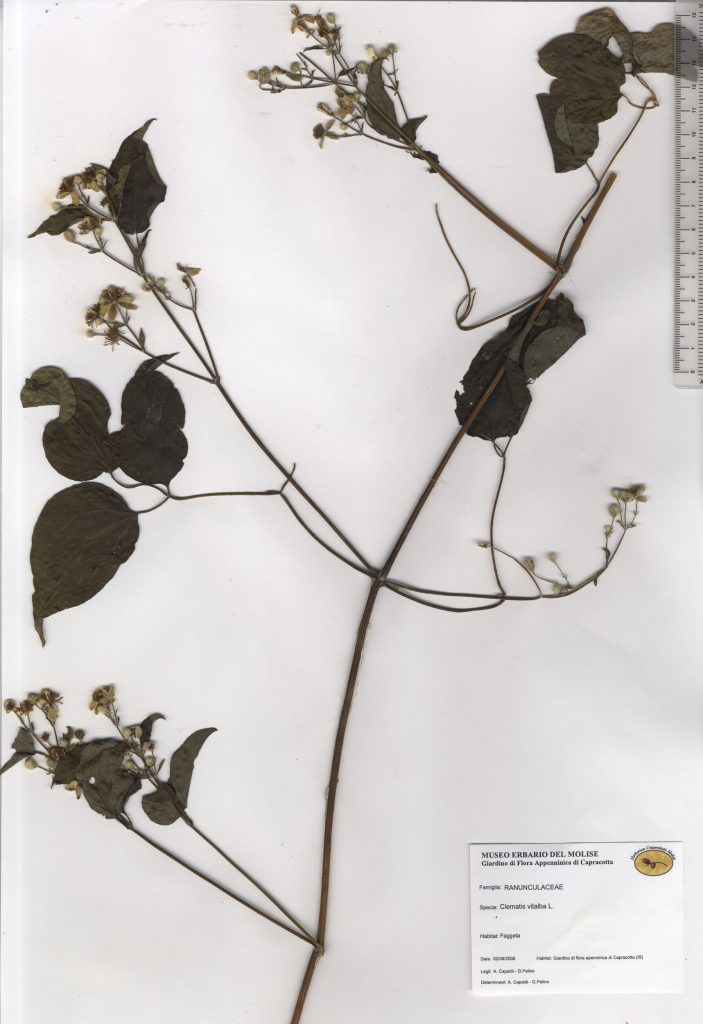
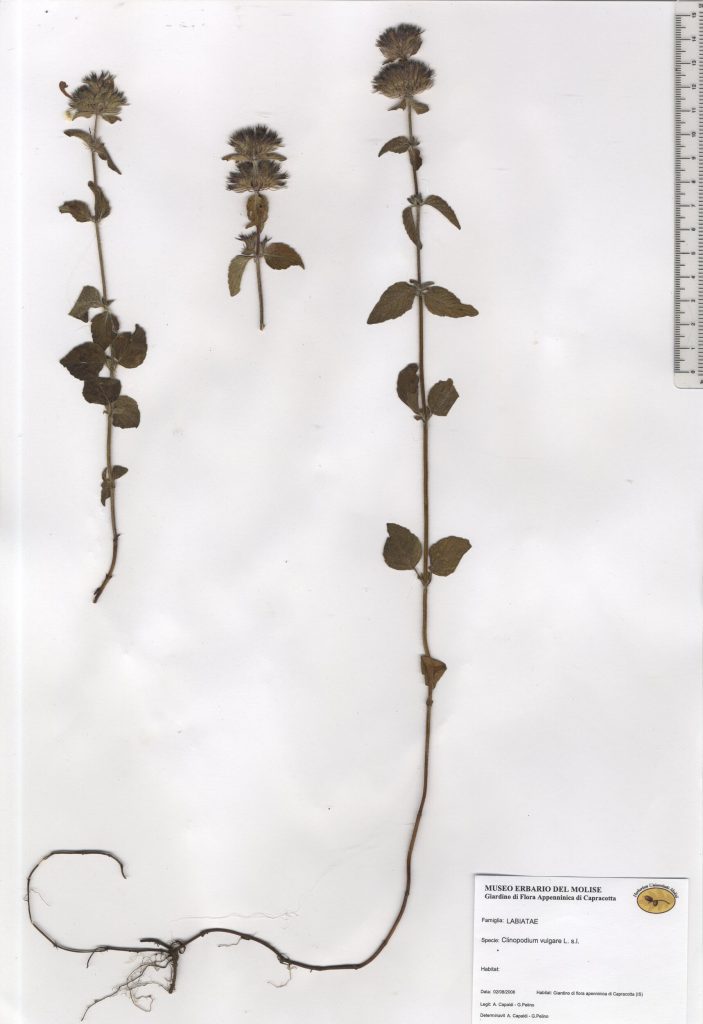
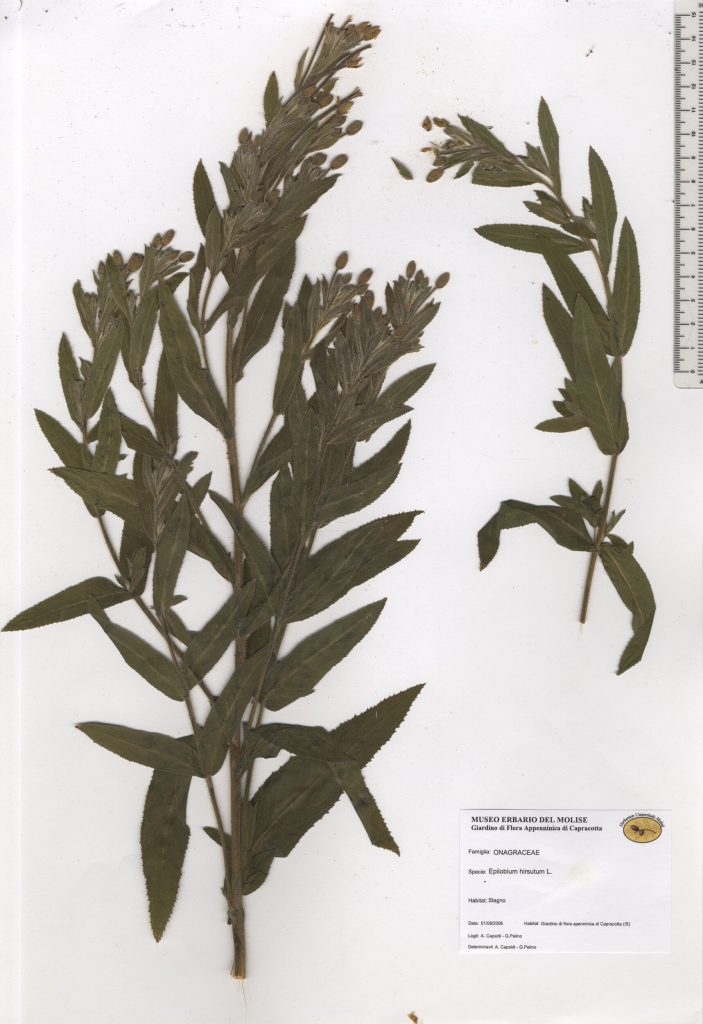
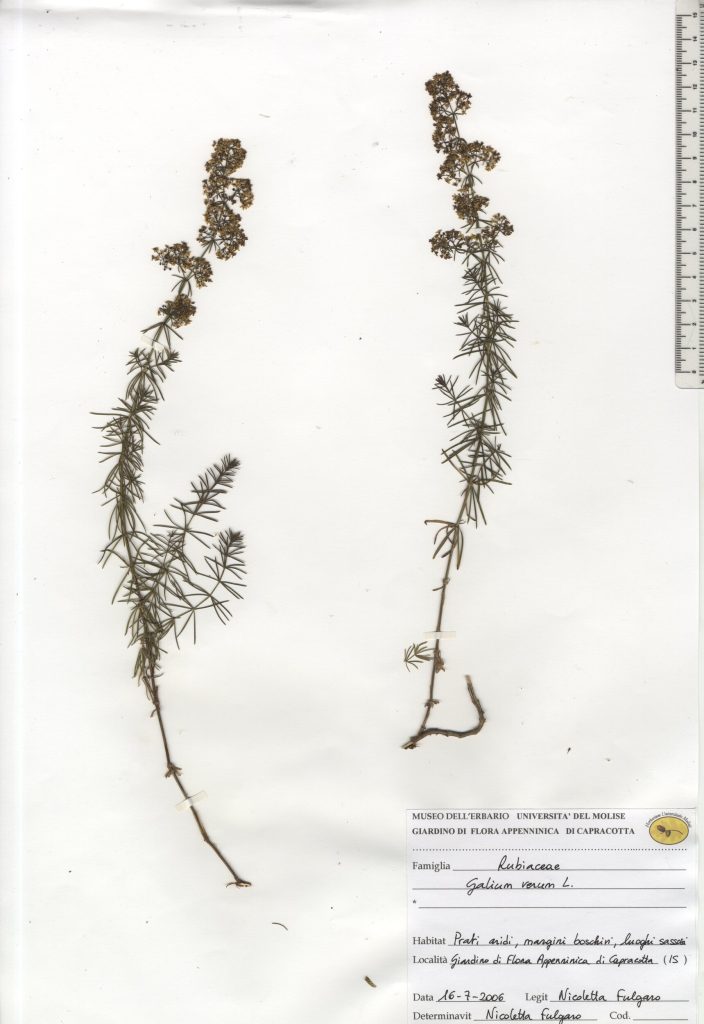
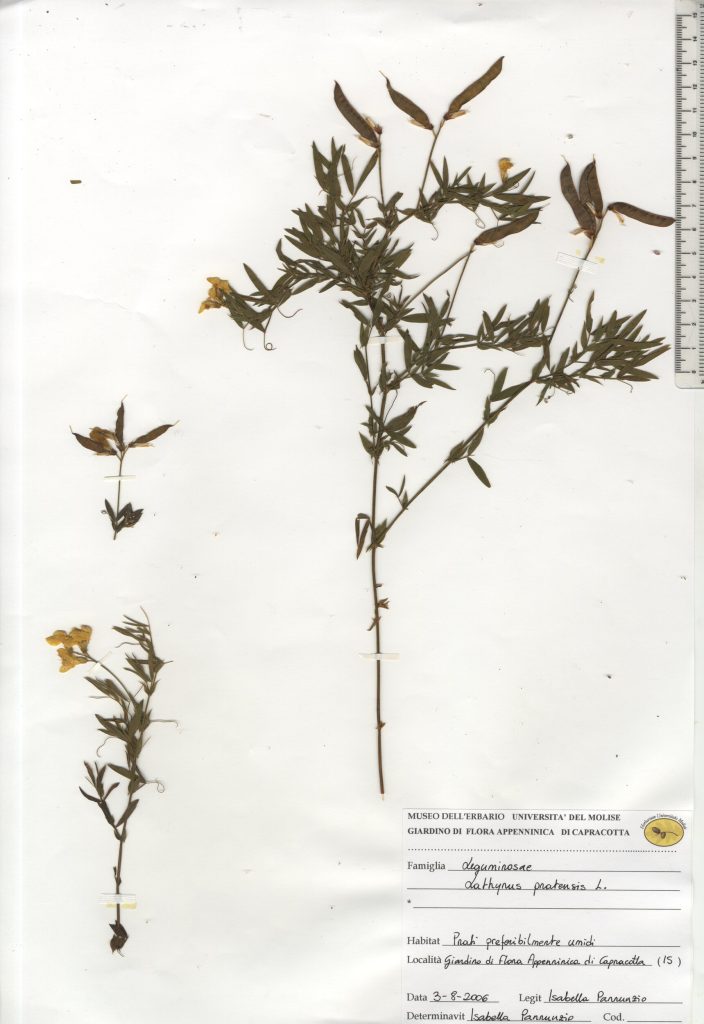
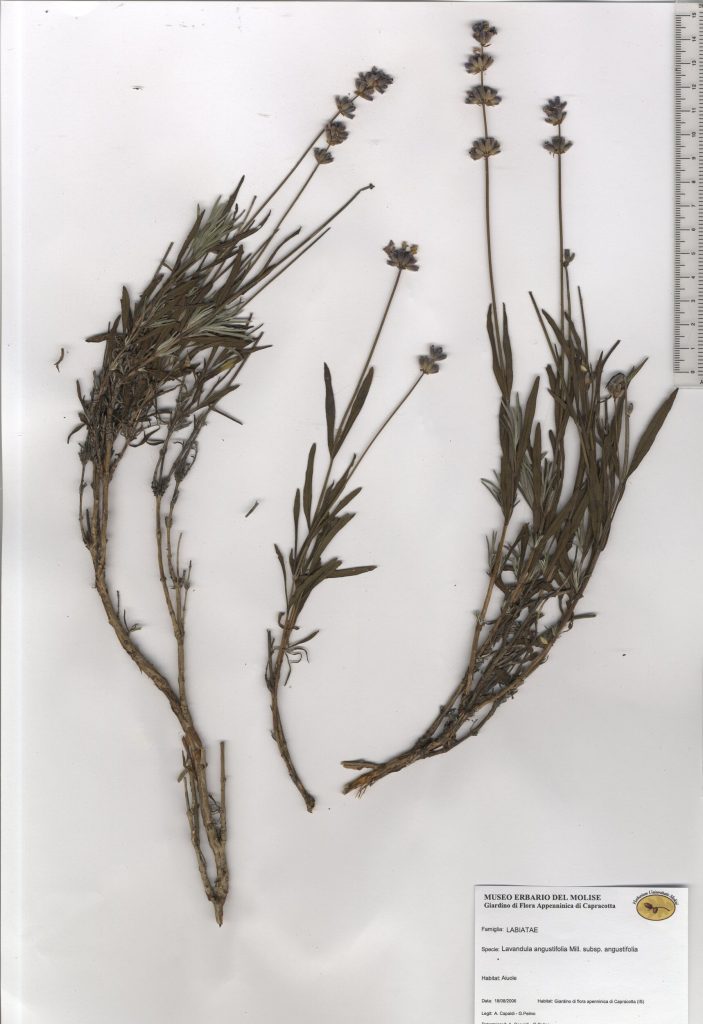
Apennine Flora

A plant heritage shaped by altitude, climate and geology.
Species that tell the story of the fragile balance and extraordinary diversity of Apennine ecosystems, between wild biodiversity and medicinal plants that preserve ancient knowledge.

Endemic species

Rare and localized species, shaped by geographic isolation and the millennia-long evolution of mountain environments.
Guardians of a unique and fragile biodiversity, they represent the most authentic and valuable identity of the Apennines.

Trails

Percorso

Three trails guide visitors through the Garden’s habitats and botanical collections: distinct experiences united by the discovery of Apennine biodiversity and direct contact with the mountain landscape.

Botanical Profiles

Plant Galls Collection

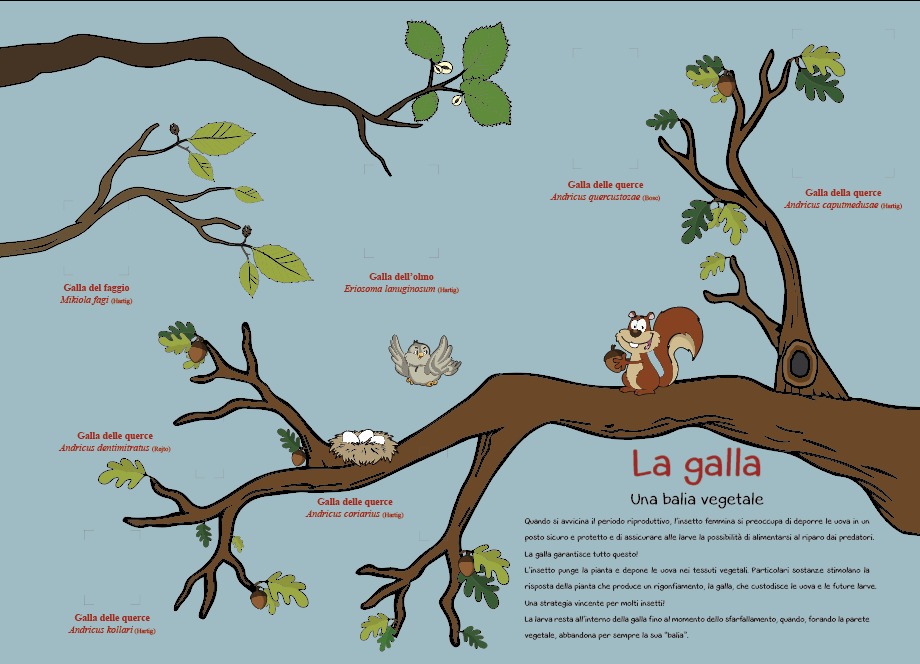
The exhibition tells some of the stories contained within the “microcosms” of galls: stories of relationships between plants and animals. Galls (or cecidia) are growths or plant “tumours” caused by parasites (insects, mites, fungi) on leaves, branches or stems.

They are the plant’s response to external stimuli that cause abnormal tissue growth. They act as protective chambers for parasite larvae, which, once mature, emerge leaving a small exit hole.

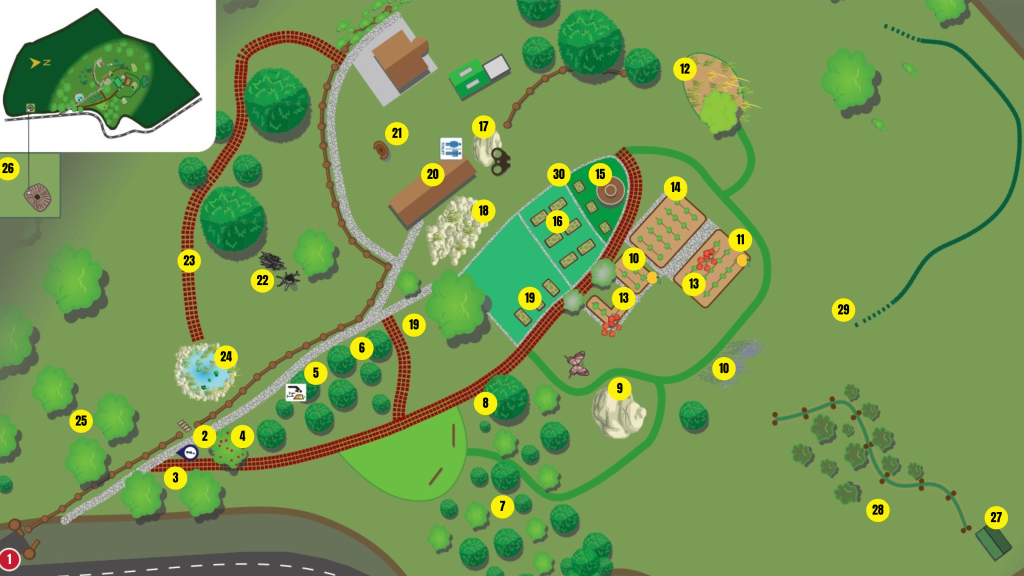
Interactive map

Explore the Garden through an interactive map: discover trails, themed areas and points of interest with a simple tap.

Germplasm Bank

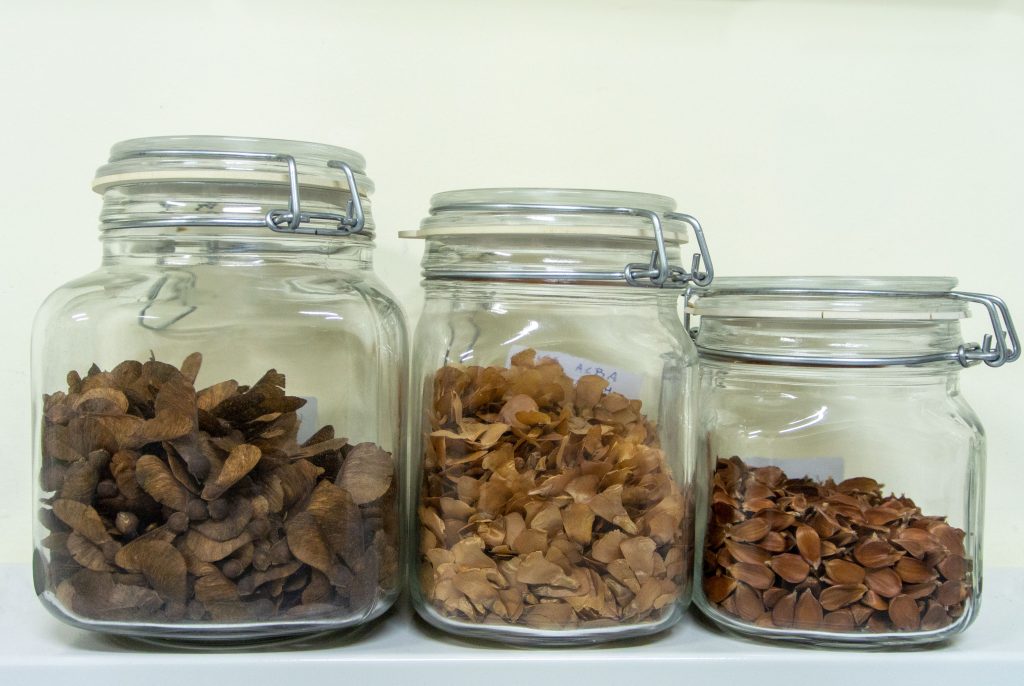
The Germplasm Bank of the Garden of Apennine Flora plays a fundamental role in the conservation of montane and high-montane species typical of the central and southern Apennines.
Controlled environmental conditions and proper management practices ensure the protection of plant biodiversity. Qualified staff regularly monitor the cultivation processes and the health status of the plants.
Phenological monitoring allows seeds to be collected at their optimal stage of maturity.
After collection, the germplasm is cleaned, selected and stored in the GFA seed bank. In autumn, part of the seeds is sown in greenhouses to produce new individuals to be acclimatised and reintroduced into the wild.

Through the Index Seminum, the Garden shares seeds with other botanical gardens, in accordance with the Rio Convention (1992), for scientific, educational and conservation purposes.